
 sarcastic_guy
Why the Shop Floor Is Changing Now
Speed no longer wins alone. In your shop, the laser machine runs hot from dawn to dusk—tight orders, tighter margins. Picture a late shift: a small team hustles parts for an EV bracket line, the operator juggling nests while the supervisor watches energy spikes on the meter. Numbers tell a dry story: 92% uptime, 14-minute changeovers, 3.1% scrap, and a steady 18 kW pull during peak cuts. Good? Yes. Enough? Not when lead times shrink and tolerances get stricter. The scene is familiar (you feel it in your bones). So we ask the simple question: if specs look fine, why does delivery still slip?
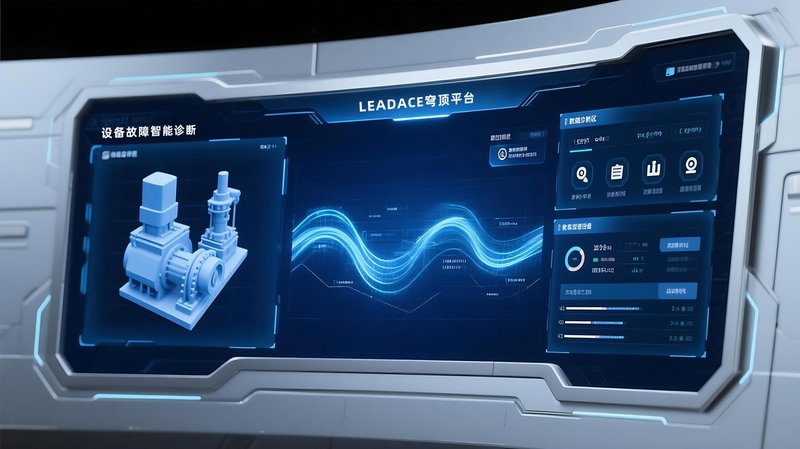
Here is the twist. Many shops compare max speed and wattage and stop there. Yet real advantage hides in consistency across mixed materials, lean changeovers, and predictable kerf width under heat. Beam quality drifts, servo drive chatter, and a jumpy galvo scanner can stack tiny delays into real cost by week’s end—funny how that works, right? Power converters hum along, but energy per part creeps up when process control lags. Do you choose the next platform on paper, or by how it behaves at 2 a.m. on a rush job? That is our lane today. We will compare what matters, not just what shines in a brochure. Let’s move from the surface to the root causes—on to the next section.
The Deeper Problem with Current Lines
Where do legacy setups fall short?
Many teams still tune laser cutting equipment like a single-purpose tool. In practice, it runs many materials and thicknesses, back-to-back. Legacy stacks tie a monolithic CNC controller to fixed macros, so every edge case needs a manual nudge. When sheet temperature climbs, kerf width shifts; assist gas setpoints lag; beam quality drifts with tiny optics contamination. These are small swings that force micro-pauses. Over a long shift, they add hours. Look, it’s simpler than you think: the problem is not raw wattage, it is closed-loop control and how fast the loop reacts.
Traditional solutions lean on slow feedback. Sensors report late, or not at all. Operators compensate with conservative feeds, which keeps cuts safe but wastes potential. If the controller cannot sync motion and power in real time, heat zones widen, dross rises, and post-processing grows. And when the tool library is brittle, changeover drags. You see it during nests with tight inside radii: motion stutters, small holes burn, and rework climbs—funny how that works, right? Add it up: more assist gas than needed, more nozzle swaps, more hand cleaning. The flaw is structural, not human. Fix the loop. Shorten reaction time. Align motion planning with actual cut physics, not only a table of defaults.
What’s Next: Principles and Practical Choices
Real-world Impact
The next wave is not only higher power; it is smarter power. New control stacks split planning and execution, then push decisions closer to the head. Edge computing nodes sit near drives and optics, sampling plume light and sound in milliseconds. The principle is simple: measure, decide, act—fast. A modern fiber source pairs with adaptive optics to shape the spot; the system trims energy when glare sensors say “enough,” then boosts through corners to keep kerf width steady. Add a galvo scanner for micro-features, and tight holes stop burning. In short, laser cutting equipment becomes a responsive system, not a scripted one. Different steels? Different coatings? The loop learns. It adapts. And your operator breathes easier.
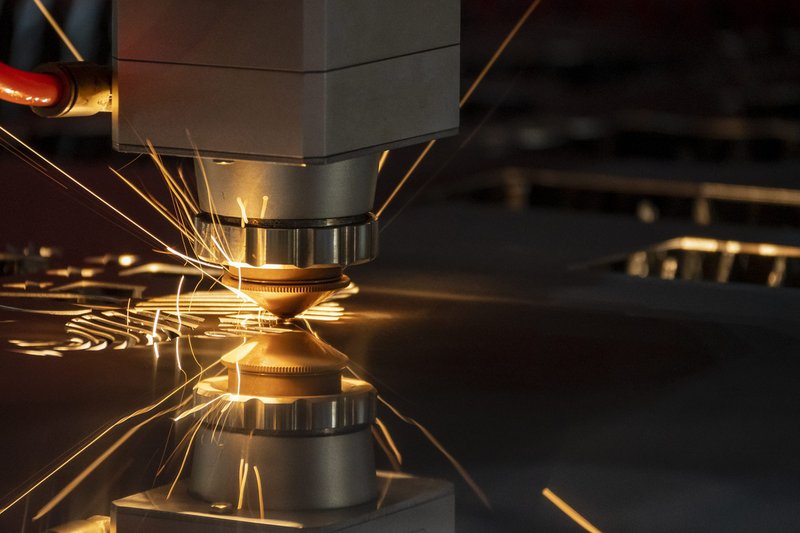
So how to choose in a crowded field? Compare by behavior under change, not by a single demo sheet. Three practical metrics help: 1) Closed-loop stability across three materials and two thickness jumps—watch variance in kerf and HAZ over a full hour; 2) True energy per part at target quality—track kWh and assist gas per nest, not just peak speed; 3) Integration burden—count hours to port your library, align the CNC controller, and connect MES, from first boot to first clean part. If these numbers look right, you will feel it on the floor. Less rework, calmer feeds, smoother corners. And yes, better nights. Knowledge shared, not sold. For more context and industry references, see LEAD.

 Ethan Riley