
 AsimAli
In today’s digital world, having a strong online presence is no longer optional for businesses. Whether you are running a small startup or a large corporation, your website is often the first point of contact with potential clients.
This is why businesses need professional help to create a website that not only looks good but also functions effectively. Many businesses turn to web designers Sialkot to ensure their websites meet modern standards, attract visitors, and convert them into customers.
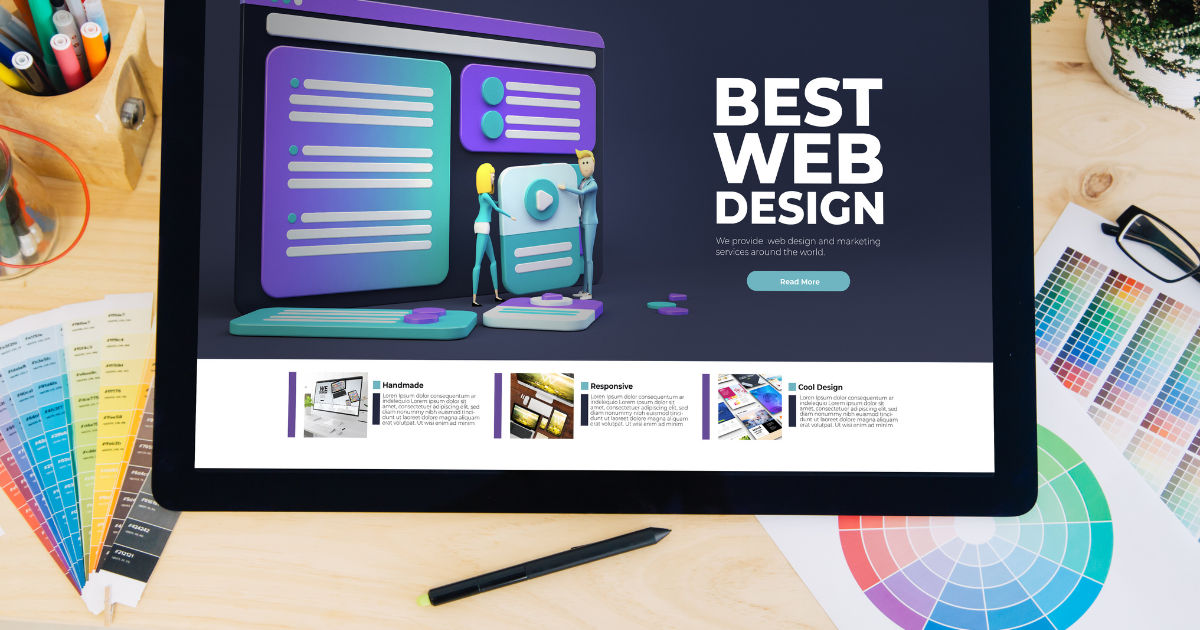
A business website is more than just a digital brochure. It is a tool that can help you build credibility, increase sales, and improve customer engagement. In this guide, we will explore what every business website truly needs, from design and functionality to content and security.
Why Businesses Need a Website
Having a website is essential for multiple reasons:
-
Credibility: A professional website helps your business appear legitimate and trustworthy.
-
Accessibility: Customers can find your services or products anytime, anywhere.
-
Marketing: Your website is a platform for online marketing strategies like SEO, email marketing, and social media integration.
-
Sales: Websites can help businesses generate leads and increase sales through online transactions.
Hiring experienced web designers Sialkot can make a significant difference in how your website performs. They understand the latest trends, technologies, and customer behavior to ensure your site is effective and visually appealing.
Key Elements Every Business Website Needs
A business website must combine design, functionality, and content to succeed. Below are the most important elements:
Professional Design
Your website’s design is the first thing visitors notice. A clean, modern, and user-friendly design will encourage users to stay longer. Here’s what to focus on:
-
Simple Navigation: Menus should be easy to find and intuitive to use. Visitors should reach important information in just a few clicks.
-
Responsive Design: More than half of internet users browse on mobile devices. Your website must be mobile-friendly.
-
Visual Appeal: Use high-quality images, consistent colors, and readable fonts. Too many colors or fonts can make your site look unprofessional.
User Experience (UX)
A good website is not only visually appealing but also easy to use. User experience can affect your website’s success and search engine ranking. Key points include:
-
Fast Loading Speed: Slow websites drive visitors away. Optimize images and use efficient coding.
-
Clear Call-to-Action (CTA): Encourage visitors to take action, whether it’s signing up for a newsletter or making a purchase.
-
Accessibility: Ensure your site can be used by people with disabilities, such as providing text alternatives for images.
Quality Content
Content is king in the digital world. Your website must provide relevant, valuable, and engaging information.
-
Informative Pages: Include about your business, services, products, contact details, and FAQs.
-
Blog Section: Regularly updated blogs help attract organic traffic and improve SEO.
-
Customer-Centric Language: Write in a tone that resonates with your audience. Avoid jargon and keep sentences simple.
Professional web designers Sialkot can assist in creating layouts that highlight content effectively without overwhelming visitors.
Search Engine Optimization (SEO)
Even the best-designed website won’t attract visitors if it isn’t discoverable. SEO helps your site rank higher on search engines like Google.
-
Keyword Research: Identify terms potential customers are searching for.
-
On-Page SEO: Optimize meta titles, descriptions, headings, and content.
-
Technical SEO: Ensure fast loading speeds, proper URL structures, and XML sitemaps.
-
Local SEO: Businesses targeting local customers should optimize for location-based searches.
Mobile Optimization
Mobile devices now account for most internet traffic. A website that isn’t mobile-friendly will lose potential customers. Responsive design ensures your website looks good and functions properly on all devices.
Website Security
Security is crucial, especially for websites that collect user data or process payments. A secure website protects both your business and customers.
-
SSL Certificates: Encrypt data transmitted between your website and users.
-
Regular Updates: Keep your CMS, plugins, and software up-to-date.
-
Strong Passwords and Authentication: Protect admin accounts from unauthorized access.
Clear Branding
Your website should reflect your business identity. This includes:
-
Logo Placement: Keep your logo visible, usually in the top-left corner.
-
Brand Colors and Fonts: Use consistent colors and fonts across the website.
-
Tagline and Messaging: Communicate your value proposition clearly.
Effective Contact Options
Visitors should easily find ways to contact you. Include:
-
Contact Form: Make it easy for visitors to send messages.
-
Phone Numbers and Emails: Provide multiple ways to reach you.
-
Social Media Links: Connect your website to your social platforms.
E-Commerce Capabilities (If Applicable)
If you sell products online, your website must include e-commerce functionality:
-
Secure Payment Gateway: Ensure safe transactions.
-
Product Pages: Include high-quality images, descriptions, and pricing.
-
Shopping Cart and Checkout: Make the process simple and fast.
Integration with Marketing Tools
Your website should support online marketing efforts:
-
Email Marketing: Integrate with tools to collect email addresses and send newsletters.
-
Analytics: Use tools like Google Analytics to track user behavior.
-
Social Sharing: Make it easy for visitors to share content on social media.
Fast and Reliable Hosting
Website hosting affects speed, uptime, and overall performance. Choose a reliable host that guarantees fast servers and minimal downtime.
Regular Maintenance
A website is not a one-time project. Regular updates, backups, and security checks are necessary to keep it running smoothly.
Content Management System (CMS)
A CMS allows you to update your website easily without technical knowledge. Popular CMS options include WordPress, Shopify, and Joomla.
Why Businesses in Sialkot Need Professional Web Designers
While it may be tempting to create a website yourself, professional help ensures better results. Web designers Sialkot have local expertise and understand the market needs. They can:
-
Create unique designs tailored to your brand.
-
Optimize your website for SEO and speed.
-
Implement security measures to protect data.
-
Provide ongoing maintenance and support.
Working with experienced designers saves time, avoids costly mistakes, and ensures a professional online presence.
Common Mistakes to Avoid on Business Websites
Even well-intentioned websites can fail due to common mistakes:
-
Cluttered Design: Too many elements confuse visitors. Keep it simple.
-
Poor Mobile Experience: Failing to optimize for mobile devices.
-
Slow Load Times: Large images and unoptimized code can frustrate users.
-
Weak Content: Vague or irrelevant content fails to engage visitors.
-
Ignoring SEO: Without proper SEO, your website may never reach your audience.
Avoiding these mistakes requires planning, experience, and sometimes professional assistance from web designers Sialkot.
Future Trends in Business Websites
Business websites must evolve to stay competitive. Future trends include:
-
AI-Powered Chatbots: Enhance customer support and engagement.
-
Voice Search Optimization: Prepare content for voice queries.
-
Personalized User Experiences: Tailor content based on visitor behavior.
-
Minimalist Design: Focus on simplicity, speed, and ease of navigation.
-
Video Content: Incorporate videos to explain products or services effectively.
Measuring Website Success
To ensure your website is effective, track its performance through:
-
Traffic Metrics: Monitor the number of visitors and page views.
-
Conversion Rates: Measure how many visitors take desired actions.
-
Bounce Rates: Identify pages where visitors leave quickly.
-
User Engagement: Track time spent on pages and interactions with content.
Professional designers can integrate analytics tools and provide insights to improve your website continually.
Conclusion
Creating a successful business website requires more than just putting information online. It demands a combination of professional design, user-friendly experience, quality content, SEO, security, and regular updates. Businesses must understand the importance of mobile optimization, clear branding, and effective contact options to attract and retain customers.
Investing in professional help, such as web designers Sialkot, ensures that your website not only looks impressive but also performs effectively. From startups to established companies, a well-designed website is a critical asset that enhances credibility, increases sales, and strengthens your online presence.
Ultimately, the most successful business websites are those that continuously evolve, adapt to user needs, and leverage the latest technologies. By focusing on design, content, functionality, and marketing integration, businesses can create websites that truly deliver value and achieve long-term success.

 sharp_eye