
 Alex
AlexAs sustainability becomes an essential aspect of modern business practices, food brands worldwide are shifting towards eco-conscious packaging solutions. This transformation is driven by increasing consumer demand for eco-friendly products and the need to reduce environmental impact. In 2024, several leading food brands have launched innovative sustainable packaging designs, setting a new standard for the industry.
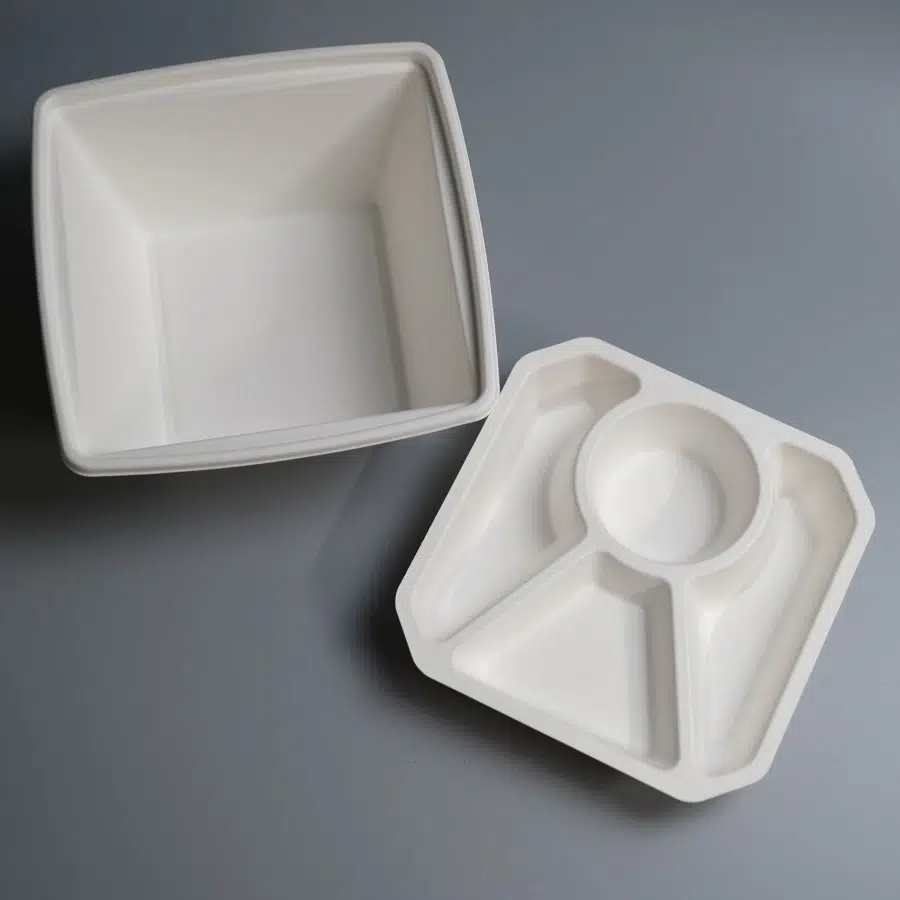
This article highlights the efforts of major brands like Pringles and Flora, showcasing how they are addressing packaging challenges to minimize waste and promote sustainability. By exploring these examples, we gain insight into the future of sustainable packaging in the food industry.
Pringles Revolutionizes Its Iconic Tubes
Pringles, a household name known for its signature crisps, has unveiled new recyclable tubes in 2024. The redesigned packaging features a paper-based construction, replacing the original metal design that faced criticism for being non-recyclable. This move required an investment of £86 million in new technology, underscoring the company's commitment to sustainability.
The new tubes are exclusively available at British supermarket Tesco and are expected to roll out in other stores later this year. Besides being eco-friendly, the packaging ensures that the crisps remain fresh and protected from damage during transit. Pringles aims to sell 48 million recyclable tubes through Tesco, marking a significant milestone in its sustainability journey.
Did you know? Pringles was once ranked as one of the least sustainable food manufacturers due to its original packaging. The new recyclable tubes represent a remarkable turnaround.
Flora's Groundbreaking Paper Packaging
Flora, a leading supplier of plant-based spreads, has introduced a revolutionary paper-based packaging solution in 2024. The zero-plastic containers are oil-proof, water-proof, and fully recyclable, marking a world-first in sustainable packaging for similar products. Flora's parent company, Upfield, views this innovation as a critical step towards replacing two billion plastic containers by 2030.
Upfield also aims to make the packaging home-compostable by 2025, further reducing its environmental footprint. The company invested four years in developing this solution, which is expected to eliminate over 25,000 tonnes of plastic waste annually. Such advancements highlight Flora's commitment to driving change in the food packaging industry.
The Rise of Eco-Friendly Packaging Materials
The push for sustainable packaging has led to the adoption of innovative materials such as paper, aluminium, and eco pulp packaging. These materials not only reduce environmental impact but also align with consumer preferences for eco-friendly products.
For instance, paper-based containers like Flora's offer excellent recyclability, while aluminium packaging is gaining popularity for its durability and reusability. By integrating these materials into their packaging strategies, brands can enhance their sustainability credentials and appeal to environmentally conscious consumers.
| Brand | Material Used | Environmental Impact |
|---|---|---|
| Pringles | Paper-based tubes | Reduces metal waste and improves recyclability |
| Flora | Zero-plastic paper containers | Eliminates plastic waste and supports recycling |
A Broader Industry Shift
The efforts of brands like Pringles and Flora reflect a broader trend in the food industry towards sustainable practices. Companies are increasingly adopting compostable and recyclable materials, driven by both regulatory pressures and consumer demand. As highlighted in this sustainable packaging report, such shifts are essential for reducing the environmental impact of packaging waste.
By embracing these changes, food brands not only contribute to a healthier planet but also strengthen their market position. Sustainability is no longer just an option—it is a necessity for long-term success in the industry.
