
 AsimAli
Flowers are more than just decoration—they are a statement of style, personality, and emotion. Whether it’s a wedding, birthday, or anniversary, floral arrangements have the power to transform a space and leave lasting impressions.
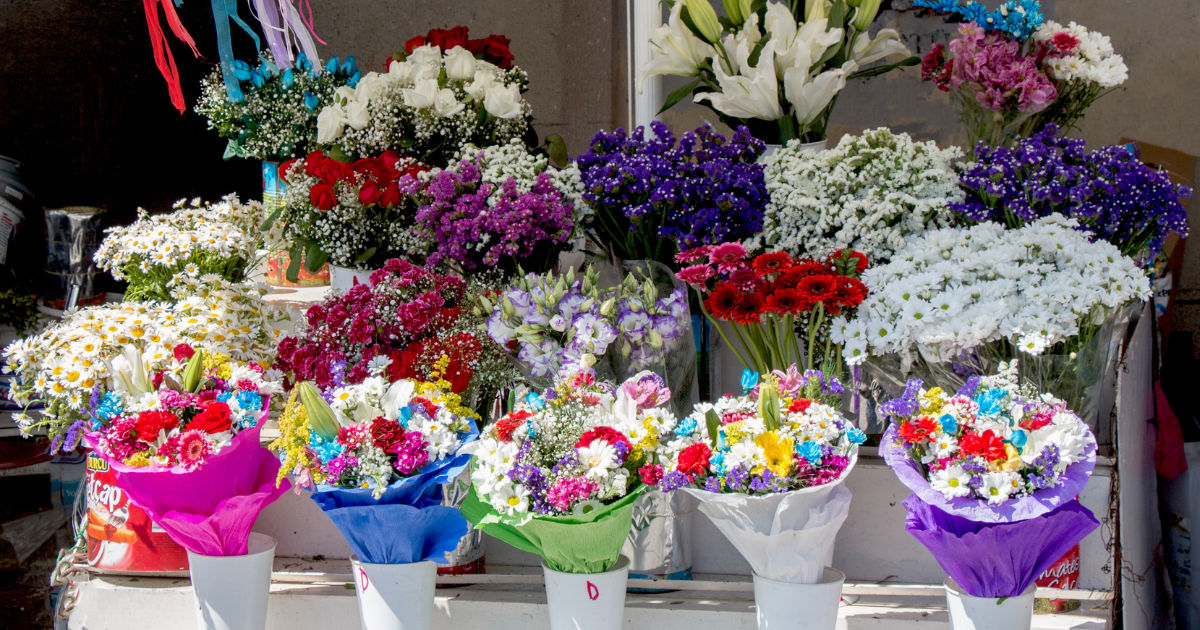 In this comprehensive guide, we will help you understand how to stylishly explore beautiful floral arrangements for weddings and celebrations, guiding you from basic concepts to advanced techniques that elevate any occasion.
Floral arrangements are not just about flowers; they are about creating a mood, telling a story, and making memories. By learning the art of arranging flowers, anyone can bring elegance, charm, and sophistication to events, ensuring that each moment is beautifully captured in bloom.
Understanding Floral Arrangements
Floral arrangements come in many styles, sizes, and types. Knowing the basics will help you make informed choices when designing or choosing arrangements for weddings and celebrations.
Types of Floral Arrangements
-
Bouquets:
Bouquets are handheld collections of flowers often given as gifts or used by brides and bridesmaids. They range from simple and minimalistic to extravagant and intricate. -
Centerpieces:
These are placed on tables to enhance the overall décor. They can be tall, short, modern, or rustic, depending on the event style. -
Garlands and Swags:
These floral arrangements are often used for decorating venues. Garlands can adorn arches, staircases, and tables, while swags are typically hung along walls or doors. -
Floral Installations:
Large-scale arrangements that make a bold statement. These are often seen at weddings and celebrations as entryway pieces or stage backdrops. -
Boutonnieres and Corsages:
Small arrangements worn on clothing, typically at formal events like weddings or proms.
Understanding these categories is essential to explore beautiful floral arrangements for weddings and celebrations in a way that complements the event.
Choosing the Right Flowers
Selecting flowers is one of the most exciting parts of creating arrangements. The choice depends on color themes, seasonality, and personal preference.
Seasonal Flowers
Using seasonal flowers ensures freshness and affordability. For example:
-
Spring: Tulips, daffodils, peonies
-
Summer: Sunflowers, roses, lilies
-
Autumn: Chrysanthemums, dahlias, marigolds
-
Winter: Poinsettias, camellias, amaryllis
Color Schemes
Colors set the tone for any celebration. Pastels create a soft, romantic feel, while vibrant hues evoke energy and excitement. Neutral shades, such as white and cream, add sophistication and elegance.
Symbolism and Meaning
Many flowers carry meanings:
-
Roses: Love and passion
-
Lilies: Purity and elegance
-
Orchids: Luxury and beauty
-
Sunflowers: Happiness and warmth
Selecting flowers with meaningful symbolism can make arrangements more personalized and memorable.
Styling Floral Arrangements
Floral styling is about creating visual harmony, balance, and flow. It is where art meets nature.
Shapes and Structures
Floral arrangements can follow several design structures:
-
Round: Symmetrical and balanced, perfect for bouquets and centerpieces.
-
Linear: Tall, dramatic, and modern. Often used for installations.
-
Crescent: Semi-circular, ideal for table décor.
-
Asymmetrical: Offers a natural, organic feel.
Height and Proportion
Proper proportion ensures the arrangement looks cohesive. Taller flowers are used in the center or back, while shorter flowers are placed in front. For centerpieces, the height should not obstruct guests’ views.
Texture and Layers
Combining different textures—such as soft petals, spiky greenery, and delicate fillers—adds depth. Layering flowers of varying sizes and shapes also creates a dynamic and stylish composition.
Arranging Flowers for Weddings
Weddings require a delicate balance between style, elegance, and personalization. Floral arrangements play a central role in setting the tone and mood.
Bridal Bouquets
Bridal bouquets should reflect the bride’s personality and wedding theme. Popular styles include:
-
Classic Round: Compact and romantic
-
Cascade: Flowing and dramatic
-
Posy: Small, minimal, and chic
Ceremony Décor
From altar arrangements to aisle markers, flowers guide the eye and enhance the venue. Consider:
-
Archway arrangements with mixed flowers and greenery
-
Potted plants along the aisle for a sustainable touch
-
Hanging floral installations above the ceremony space
Reception Centerpieces
Reception tables come alive with stunning centerpieces. Ideas include:
-
Low arrangements for intimate conversations
-
Tall, statement pieces for grandeur
-
Seasonal and thematic floral designs
Using flowers consistently throughout the wedding ensures a cohesive, stylish look.
Arrangements for Celebrations and Parties
Floral arrangements are equally essential for birthdays, anniversaries, corporate events, and other celebrations. They elevate the mood and add charm to any occasion.
Table Settings
Small floral arrangements enhance dining tables. Pairing flowers with candles or decorative elements creates a warm and inviting atmosphere.
Event Backdrops
Flowers can be used to design photo backdrops. Colorful, large-scale floral walls make perfect settings for memorable pictures.
Thematic Arrangements
Customize arrangements according to the celebration’s theme:
-
Tropical Party: Bright hibiscus, birds of paradise
-
Elegant Dinner: White roses, hydrangeas, orchids
-
Festive Gathering: Marigolds, chrysanthemums, sunflowers
Exploring beautiful floral arrangements for weddings and celebrations is all about blending creativity with purpose to match the event’s personality.
DIY Floral Arrangements
Creating your own arrangements can be a rewarding experience. It allows for personal expression and cost savings.
Tools You’ll Need
-
Floral scissors or shears
-
Floral tape and wire
-
Vases or containers
-
Floral foam or frog pins
Basic Techniques
-
Preparation: Trim stems and remove excess leaves.
-
Layering: Start with foliage, then add larger blooms, and finally small filler flowers.
-
Balance: Keep symmetry or asymmetry in mind depending on the style.
-
Finishing Touch: Add ribbons, decorative stones, or sprigs of herbs for extra flair.
DIY arrangements are perfect for small gatherings or personal gifts.
Hiring a Professional Florist
While DIY can be fun, professional florists offer expertise, creativity, and precision. They can:
-
Advise on seasonal flowers
-
Create large-scale installations
-
Ensure flowers last longer with proper care
-
Customize arrangements to match themes and color schemes
Working with a florist allows you to explore beautiful floral arrangements for weddings and celebrations without the stress of planning every detail.
Sustainable and Eco-Friendly Arrangements
Eco-conscious choices are increasingly important in event planning. Sustainable floral arrangements include:
-
Using locally sourced flowers
-
Choosing potted plants over cut flowers
-
Incorporating reusable vases and containers
-
Composting or donating flowers after the event
Sustainability doesn’t compromise style—it can enhance the story your floral arrangements tell.
Caring for Floral Arrangements
Flowers are delicate, and proper care ensures longevity and freshness.
Watering
Cut flowers need clean, fresh water. Change water daily and trim stems to maintain hydration.
Temperature
Keep arrangements in cool areas, away from direct sunlight and drafts.
Preserving
Add floral preservatives to the water to prolong bloom life. For longer-lasting memories, consider drying flowers for keepsakes.
By understanding these care tips, your arrangements can stay vibrant throughout the celebration.
Trends in Floral Arrangements
Floral design evolves with time. Staying up-to-date with trends can inspire fresh and stylish ideas.
Popular Trends
-
Monochromatic Arrangements: Flowers in one color family for a modern look
-
Dried and Preserved Flowers: Eco-friendly, rustic aesthetics
-
Wildflower Arrangements: Organic, natural, and free-form designs
-
Minimalist Designs: Clean, simple, and elegant statements
Trends can be adapted to fit personal taste while exploring beautiful floral arrangements for weddings and celebrations.
Conclusion
Floral arrangements are more than decorative pieces—they are expressions of creativity, emotion, and style. By learning the types of arrangements, understanding flower selection, mastering styling techniques, and exploring DIY or professional options, anyone can create unforgettable experiences. Whether for weddings, birthdays, or special celebrations, flowers enhance ambiance, convey emotions, and leave a lasting impression.
From choosing the perfect bouquet to designing elaborate centerpieces and backdrops, the journey of floral arrangements is a rewarding adventure. Sustainable practices and attention to detail ensure that these arrangements are not only beautiful but meaningful.
Ultimately, exploring beautiful floral arrangements for weddings and celebrations is about combining art, nature, and personal expression. With the right knowledge and creativity, you can transform any space into a floral paradise that will be remembered for years to come

 ahead_time