
 AsimAli
In the modern digital era, creative thinking and idea generation are essential skills for students, professionals, and entrepreneurs alike.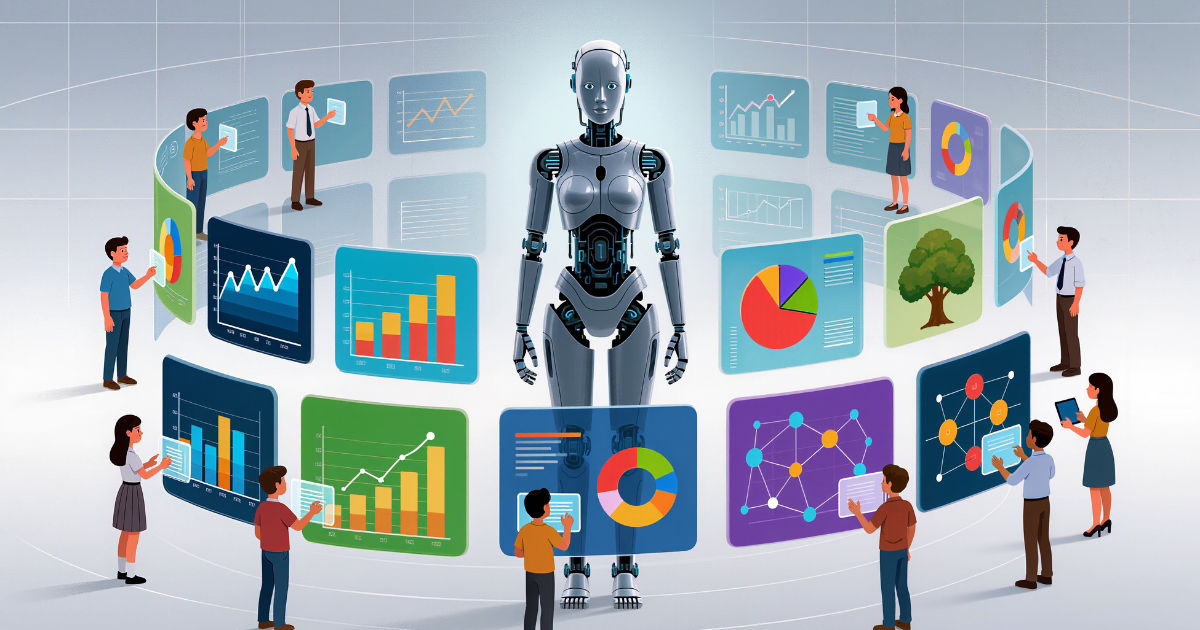
But sometimes, coming up with ideas that are both original and practical can feel like trying to catch lightning in a bottle. This is where AI steps in as a game-changer.
With the best AI tools, brainstorming has become faster, smarter, and more efficient. Even a female Quran teacher looking to create engaging lesson plans or online content can benefit tremendously from AI-powered idea generation.
These tools are no longer just for tech experts—they are accessible, easy to use, and can help anyone convert scattered thoughts into actionable ideas.
Understanding AI-Powered Brainstorming
AI tools designed for brainstorming use complex algorithms and machine learning to process vast amounts of information quickly. Unlike traditional brainstorming methods, which rely solely on human memory and experience, AI can analyze trends, data, and user input to generate innovative ideas.
For example, if you are a female Quran teacher planning new interactive lessons, AI tools can suggest topics, discussion questions, and even examples that resonate with your students. By combining creativity with data-driven insights, AI helps you move from a blank page to a structured plan without wasting hours overthinking.
Why AI Brainstorming Works Better Than Traditional Methods
Traditional brainstorming methods often involve group sessions, sticky notes, or freewriting exercises. While these approaches can work, they have limitations:
-
Limited Perspective: Humans can get stuck in familiar patterns, producing repetitive or predictable ideas.
-
Time-Consuming: Generating a broad range of ideas manually can take hours.
-
Bias: Personal preferences and experiences can unconsciously influence which ideas are considered.
AI overcomes these limitations by using predictive models, trend analysis, and pattern recognition. The result is a more diverse, efficient, and practical set of ideas that you can implement immediately.
How AI Tools Generate Ideas
AI tools generate ideas in several ways:
1. Keyword and Topic Analysis
By analyzing relevant keywords and topics, AI can provide ideas that align with current trends. For example, a female Quran teacher searching for lesson ideas can input keywords like “Ramadan,” “stories of the prophets,” or “Quranic values.” The AI then suggests lesson plans, discussion prompts, or creative projects that match those topics.
2. Pattern Recognition
AI tools can identify patterns in existing content, user behavior, or social trends. This allows them to generate ideas that are not only unique but also likely to engage your audience.
3. Combining Existing Concepts
AI can mix multiple unrelated concepts to create innovative ideas. For instance, it might suggest combining Quranic stories with interactive multimedia for better student engagement.
4. Iterative Improvement
AI doesn’t stop at one suggestion. Many tools allow you to refine ideas, giving multiple iterations until you find the most useful options.
Top AI Tools for Brainstorming
Here are some of the best AI tools that can help generate usable ideas:
1. ChatGPT
ChatGPT can generate creative content, lesson plans, blog ideas, and more. By providing prompts, you can ask it to brainstorm concepts in seconds. For a female Quran teacher, it can suggest story-based teaching methods, discussion questions, or engaging activities for students.
2. Jasper AI
Jasper AI is popular for marketing content and creative writing. It can provide a wide range of suggestions, helping you expand on initial ideas and even format them for practical use.
3. Copy.ai
This tool is excellent for brainstorming short-form content and campaigns. It’s useful for teachers who want catchy headlines, lesson topics, or even social media posts that engage learners.
4. Writesonic
Writesonic can produce structured content and brainstorm topics tailored to your goals. It’s particularly useful for educators, small businesses, and content creators who need ideas they can immediately use.
5. MindMeister + AI Integration
MindMeister is a visual mind-mapping tool, and when paired with AI, it becomes a dynamic brainstorming assistant. You can map your ideas visually, then let AI suggest expansions, links, or new branches.
Step-by-Step Guide to Using AI Tools for Brainstorming
Using AI tools effectively requires a structured approach:
Step 1: Define Your Goal
Be clear about what you want. Are you brainstorming for a lesson plan, a business campaign, or a blog post? The clearer your goal, the more useful AI suggestions will be.
Step 2: Input Relevant Keywords
Use specific keywords. For example, a female Quran teacher might input: “Quranic stories for children,” “interactive lessons,” or “Islamic moral lessons.”
Step 3: Generate Multiple Options
Don’t settle for the first set of ideas. Use AI to generate multiple options and variations. You’ll often find one that sparks even better ideas.
Step 4: Refine and Filter
Review the AI-generated ideas. Filter out what doesn’t work and refine what seems promising. This step is crucial because AI suggestions are not perfect—they require human judgment.
Step 5: Implement and Test
Put your ideas into practice and test them. Observe how your audience responds, then tweak your approach accordingly. Over time, AI helps you create a feedback loop of constant improvement.
Practical Examples of AI Brainstorming in Action
1. Lesson Planning for a Female Quran Teacher
A female Quran teacher could use AI to brainstorm engaging lessons. For example, AI can suggest interactive quizzes, storytelling techniques, or student activities based on Quranic stories.
2. Content Creation for Blogs or Social Media
AI tools can help generate titles, content ideas, and post schedules. Instead of struggling to think of new topics, you can rely on AI to suggest high-engagement ideas.
3. Marketing Campaigns
Businesses and educators can use AI to brainstorm marketing ideas, ad copy, or campaign slogans. AI tools can suggest multiple angles based on data trends, helping your message reach the right audience.
4. Creative Writing Projects
For writers and educators alike, AI can suggest plot twists, character development, or lesson analogies. This can be especially helpful for teachers making religious or moral lessons more relatable.
Benefits of Using AI for Brainstorming
Using AI for idea generation offers several key advantages:
-
Saves Time – AI generates ideas in seconds, reducing hours of manual brainstorming.
-
Expands Creativity – AI combines concepts and patterns that you might not think of.
-
Reduces Writer’s Block – Whether for teaching, writing, or marketing, AI gives you a starting point.
-
Personalized Suggestions – Tools can tailor ideas based on your input and preferences.
-
Actionable Insights – AI doesn’t just generate vague ideas; it gives practical options you can implement immediately.
Challenges and Limitations
While AI is powerful, it has limitations:
-
Over-reliance: Relying too much on AI may reduce human creativity over time.
-
Accuracy: Some AI-generated ideas might not be fully accurate or contextually appropriate.
-
Ethical Concerns: In education, it’s important to ensure AI-generated content aligns with moral and religious values.
By combining AI suggestions with human judgment, you can overcome these challenges and maximize the benefits.
Tips for Getting the Most Out of AI Brainstorming
-
Be Specific – The more precise your prompts, the better the ideas.
-
Iterate Frequently – Don’t accept the first idea; refine and generate multiple options.
-
Combine AI with Human Creativity – AI is a tool, not a replacement. Your input ensures relevance and originality.
-
Keep Your Audience in Mind – Tailor ideas to your students, readers, or customers.
-
Stay Updated – AI tools evolve quickly. Stay informed about new features and updates for better results.
Future of AI in Brainstorming
As AI continues to evolve, the brainstorming process will become even more intelligent. Future AI tools may predict trends before they emerge, suggest ideas based on emotional engagement, or even simulate audience reactions. For educators, including female Quran teachers, this means creating lessons that are more engaging, inclusive, and effective than ever before.
Moreover, collaborative AI will allow teams to brainstorm in real-time, integrating diverse perspectives while still leveraging AI’s analytical capabilities. This hybrid approach of human-AI collaboration is expected to redefine creativity and productivity across industries.
Conclusion
AI tools are revolutionizing the way we brainstorm ideas, making it faster, more creative, and more actionable. By using the best AI tools, anyone—from content creators to a female Quran teacher—can generate practical, innovative ideas in a fraction of the time traditional methods require. The key is to use AI as a partner: define your goals, generate multiple ideas, refine them with human judgment, and implement them thoughtfully.
While AI is not perfect, its ability to analyze trends, identify patterns, and suggest novel combinations gives users a significant advantage. With the right approach, AI can turn abstract thoughts into actionable plans, making creativity accessible and efficient for everyone.
Whether you are planning lessons, writing content, or developing projects, embracing AI for brainstorming ensures you stay ahead in a fast-paced, idea-driven world. By leveraging AI effectively, you can consistently generate ideas that are not just creative, but genuinely useful and impactful.
