
 AsimAli
When it comes to modern architecture, the look and durability of building facades are more important than ever. One of the most popular choices for designers and architects today is the Aluminum Composite Panel, commonly known as ACP sheets.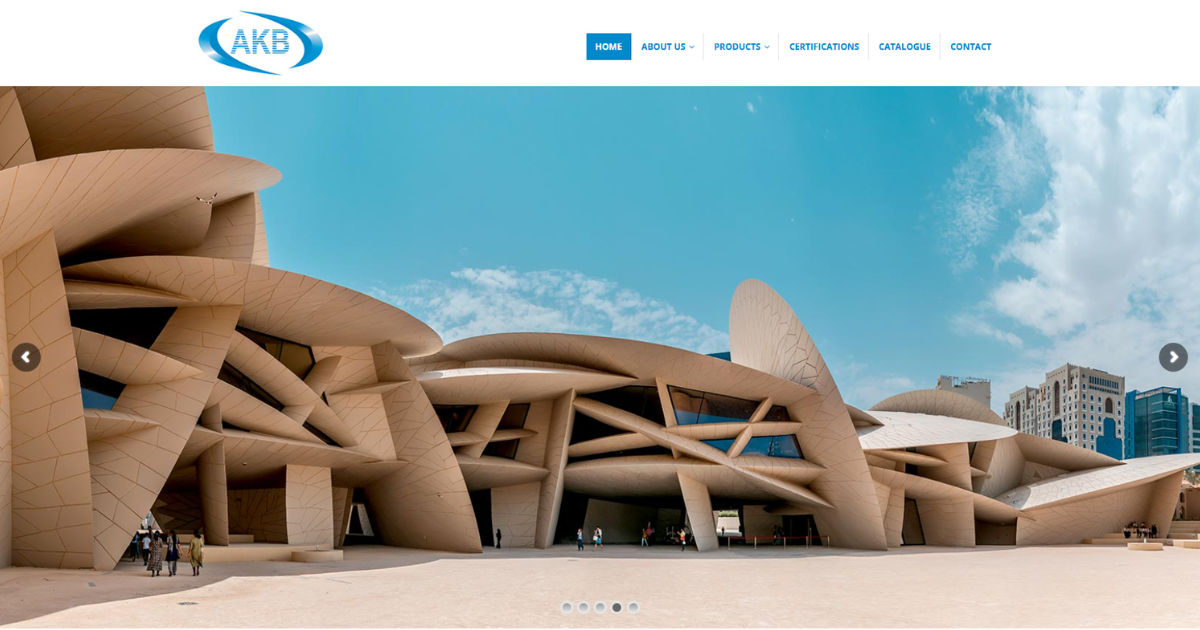
Companies like Akbari Engineering have made it easier for homeowners, builders, and architects to implement ACP sheets for elegant and functional facade designs. In this guide, we will explore what ACP sheets are, their benefits, types, preparation, installation methods, and maintenance practices.
By the end of this article, you will understand how ACP sheets can transform the exterior of any building.
What is an ACP Sheet?
An ACP sheet is a panel made from two thin layers of aluminum surrounding a core material. This combination creates a strong, lightweight, and flexible panel that is ideal for cladding building exteriors. The core is usually made from polyethylene or fire-retardant material. ACP sheets are widely used because they combine durability, aesthetic appeal, and cost-effectiveness.
Why Use ACP Sheets for Facade Design?
Facade design is not just about aesthetics; it also provides protection to the building. ACP sheets offer several advantages that make them the preferred choice:
-
Durability: ACP sheets are resistant to weather, corrosion, and UV rays.
-
Lightweight: They reduce the overall load on the building structure.
-
Fire Resistance: B1 grade ACP sheets are fire-retardant and safe for urban structures.
-
Aesthetic Flexibility: Available in various colors, textures, and finishes.
-
Ease of Installation: Can be quickly installed using standard frameworks.
-
Low Maintenance: Requires minimal cleaning and upkeep.
Companies like Akbari Engineering specialize in providing ACP sheets that meet high-quality standards suitable for both commercial and residential facade applications.
Types of ACP Sheets for Facades
ACP sheets are available in multiple types depending on the core material and surface finish:
1. Standard ACP Sheet
Standard ACP sheets are made with a polyethylene core. They are cost-effective and widely used for decorative purposes in residential buildings. However, they may not meet fire safety regulations for high-rise structures.
2. Fire-Retardant ACP Sheet
Fire-retardant ACP sheets, commonly known as B1 grade, have a mineral-filled core that resists fire. These are ideal for commercial buildings, shopping malls, hospitals, and schools. Akbari Engineering often recommends B1 grade sheets for high-rise facade applications.
3. Solid Aluminum Sheet
These panels are purely aluminum without a core. They are highly durable but heavier than composite panels. Solid aluminum sheets are used in specialty applications where structural strength is a priority.
4. Special Finish ACP Sheets
Special finishes include metallic, wood grain, stone, and matte finishes. These sheets are mainly used for aesthetic enhancement of facades, providing a unique appearance without compromising durability.
Facade Design Planning with ACP Sheets
Before applying ACP sheets, proper planning is essential. Facade design should consider aesthetics, climate, building codes, and maintenance. Here’s how the planning process usually works:
1. Assess the Building Structure
The structural integrity of the building must be examined to ensure it can support ACP sheets. Lightweight ACP panels are easier to mount, but the frame must be strong enough for safety.
2. Determine Sheet Type
Select the appropriate ACP sheet type based on the building’s purpose, height, and safety requirements. For example, commercial buildings typically require fire-retardant sheets.
3. Design Layout
Architects and designers create a layout plan to decide the size, shape, and placement of ACP panels. They consider joint spacing, panel orientation, and design symmetry.
4. Select Colors and Finishes
Colors and finishes play a vital role in the overall appearance. ACP sheets come in various colors and textures. Choosing the right combination can give a modern, sleek, or classic look.
Preparation for ACP Facade Installation
Proper preparation ensures a smooth installation process. The following steps are usually taken:
1. Cleaning the Surface
The building surface should be free of dust, dirt, and loose particles. A clean surface ensures strong adhesion and a stable installation.
2. Installing the Frame
A frame made of aluminum or galvanized steel is installed to hold ACP sheets. This frame provides support and allows for expansion and contraction due to temperature changes.
3. Measuring and Cutting Panels
ACP sheets are measured and cut according to the design layout. Precision is crucial to ensure proper alignment and aesthetics. Tools such as CNC machines or specialized panel cutters are often used.
4. Drilling and Preparing Joints
Holes are drilled in panels for screws or rivets. Expansion joints are also considered to accommodate material movement.
Installation Methods for ACP Facades
ACP sheets can be installed using different methods depending on the design requirements.
1. Mechanical Fixing
Mechanical fixing involves using screws, rivets, or bolts to attach ACP sheets to the frame. This method is durable and allows for easy replacement of individual panels. Most high-rise building facades use this technique.
2. Adhesive Fixing
Adhesive fixing involves bonding the ACP panels directly to the building surface using high-strength construction adhesive. This method is common in low-rise residential applications where aesthetics are critical and visible fasteners are undesirable.
3. Combination Fixing
Sometimes, both mechanical and adhesive fixing methods are used together. This ensures maximum stability and durability, especially in areas exposed to high wind loads or seismic activity.
Joints and Accessories
Proper joint management is key to a long-lasting facade. Some common accessories and considerations include:
-
Expansion Joints: Allow the panels to expand and contract with temperature changes without cracking.
-
Sealants: Prevent water and dust ingress between panels.
-
Corner Profiles: Provide a smooth finish at edges and corners.
-
Fasteners: Screws and rivets must be corrosion-resistant.
Akbari Engineering provides complete solutions, including custom joint profiles and accessories, ensuring perfect installation and long-term performance.
Maintenance of ACP Facades
ACP facades require minimal maintenance, but regular care extends their life and appearance:
1. Cleaning
Wipe panels with mild detergent and water to remove dust and dirt. Avoid abrasive cleaners that may scratch the surface.
2. Inspecting for Damage
Regular inspections help identify loose panels, damaged sealants, or rusted fasteners. Early repair prevents more serious problems.
3. Repainting or Finishing
Some ACP sheets may lose shine over time. Special coatings or repainting can restore aesthetics without removing the panels.
Common Challenges in ACP Facade Application
Despite their advantages, ACP facades may face some challenges:
-
Improper Installation: Misalignment or insufficient fastening can lead to panel deformation or detachment.
-
Thermal Expansion: Inadequate joints may cause buckling in hot climates.
-
Fire Safety: Using non-fire-retardant sheets in tall buildings can be dangerous.
-
Moisture Penetration: Poor sealing may cause water leakage behind the panels.
Choosing experienced professionals like Akbari Engineering ensures that these challenges are addressed with precision and quality.
Modern Design Trends with ACP Sheets
ACP sheets are not just functional; they allow architects to implement creative designs:
-
Geometric Patterns: Panels arranged in geometric patterns for a modern, stylish look.
-
Color Blocking: Using contrasting colors for visual interest.
-
3D Facades: Creating depth and texture by varying panel thickness and placement.
-
Metallic Finishes: Giving a high-tech, contemporary look suitable for corporate buildings.
These trends are increasingly popular in urban commercial complexes, hotels, and premium residential buildings.
Sustainability and Environmental Considerations
ACP sheets are environmentally friendly compared to other cladding materials:
-
Recyclable: Aluminum layers can be recycled without losing quality.
-
Energy Efficient: Properly installed ACP facades can reduce heat transfer, lowering cooling costs.
-
Long Lifespan: Reduced need for replacement minimizes environmental impact.
Companies like Akbari Engineering offer eco-friendly ACP sheets that comply with modern environmental standards.
Why Choose Akbari Engineering for ACP Facade Solutions?
When it comes to applying ACP sheets for facade design, experience, and quality matter. Akbari Engineering provides:
-
High-quality ACP sheets with fire-resistant options.
-
Expert consultation for facade design and layout.
-
Professional installation teams ensuring precise and safe application.
-
After-installation support for maintenance and repairs.
Choosing a reliable provider guarantees that the ACP facade not only looks beautiful but also lasts for decades.
Step-by-Step Guide to ACP Facade Application
-
Design Planning: Decide the layout, panel type, colors, and finishes.
-
Surface Preparation: Clean the building exterior and install the support frame.
-
Panel Cutting and Drilling: Cut panels to required sizes and prepare joints.
-
Installation: Attach panels using mechanical, adhesive, or combination methods.
-
Finishing Touches: Install sealants, corner profiles, and inspect all joints.
-
Maintenance: Regular cleaning and inspection for long-term durability.
Following this process ensures a professional, safe, and visually appealing facade.
Conclusion
ACP sheets are revolutionizing facade design by offering a combination of durability, aesthetics, and versatility. They allow architects to bring modern, stylish, and functional designs to life while ensuring building safety and energy efficiency. From planning to installation, every step matters in achieving a flawless facade.
Professional companies like Akbari Engineering play a critical role in providing high-quality ACP sheets, expert guidance, and installation services. Whether it’s a residential building, commercial complex, or high-rise tower, ACP sheets are a reliable and attractive solution for exterior cladding.
By understanding the types, benefits, installation methods, and maintenance of ACP sheets, anyone can appreciate why this material has become a standard in contemporary architecture. Investing in quality panels and professional services ensures a facade that is not only visually stunning but also safe, durable, and sustainable for years to come.

 quadro_bike