
 AsimAli
Weddings in Pakistan are full of color, tradition, celebration, and beautiful fashion. For young girls, attending a wedding is an exciting opportunity to wear elegant outfits that feel special while still being comfortable enough for a long day of celebrations. 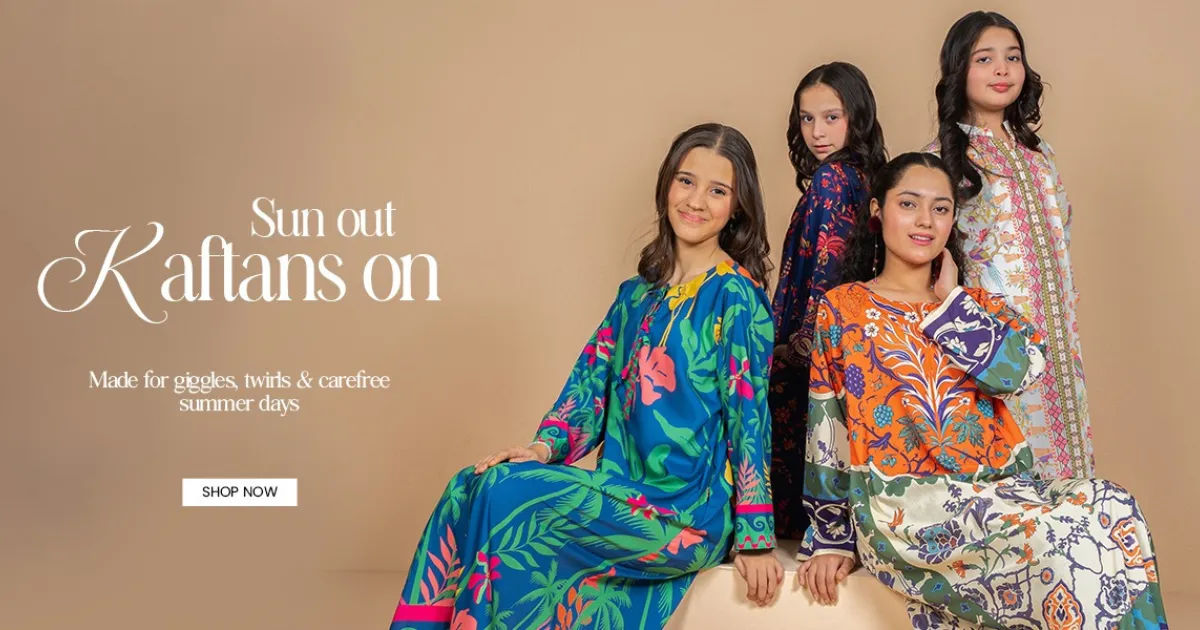 Choosing the right girls formal dresses pakistan can sometimes feel challenging because there are many fabrics, colors, embroidery styles, and designs available.
The ideal wedding dress should match the type of event, the season, the girl's age, and her personal style. A dress for a daytime mehndi may be bright and playful, while an outfit for a formal evening reception may need richer colors, delicate embroidery, and a more sophisticated look. Parents also need to consider comfort, movement, weather, and the practical needs of children when selecting formal clothing.
Fortunately, Pakistani fashion offers an impressive range of options. From traditional shalwar kameez and ghararas to modern frocks, lehengas, maxi dresses, and beautifully embroidered three-piece outfits, there is something for every wedding function. The key is understanding how to choose a dress that looks elegant without becoming uncomfortable or unsuitable for the occasion.
This guide explores everything you need to know about selecting wedding outfits for girls in Pakistan. It covers popular styles, fabrics, colors, embroidery, accessories, seasonal choices, age-appropriate designs, shopping tips, and mistakes to avoid.
Importance of the Wedding Function
Before buying a formal dress, consider the specific wedding event where the girl will wear it. Pakistani weddings usually include several functions, and each event can have a different dress code and atmosphere.
The mehndi is generally lively, colorful, and energetic. Bright shades such as yellow, orange, green, pink, and turquoise are common choices. Girls can wear playful outfits with colorful embroidery, mirror work, gota details, or contrasting dupattas.
The barat is usually more formal. Deep red, maroon, burgundy, gold, emerald green, and other rich colors often work well. Depending on the family and venue, a girl might wear an embroidered lehenga, long frock, peshwas, or formal traditional suit.
The walima often has a softer and more elegant atmosphere. Pastel shades such as powder blue, lavender, blush pink, mint green, champagne, and ivory can create a graceful appearance. Light embroidery and delicate embellishments are often more suitable than very heavy decoration.
Some weddings also include engagement parties, dholki events, bridal showers, or smaller family gatherings. These occasions may allow more flexibility. A simple formal frock or embroidered suit can be perfect for a less elaborate celebration.
Understanding the event helps narrow down the choices. Instead of purchasing a dress simply because it looks attractive, think about where and when it will be worn.
Popular Styles of Girls Formal Dresses Pakistan for Weddings
Pakistani fashion has a wide variety of formal clothing styles for young girls. Some designs are strongly traditional, while others combine Eastern craftsmanship with modern silhouettes.
Embroidered Frocks
Frocks are among the most popular formal choices for younger girls. They offer a comfortable fit and create a beautiful, graceful silhouette.
An embroidered frock can feature zari, sequins, pearls, threadwork, mirror work, or delicate floral patterns. The skirt portion may be wide and flowing, giving the outfit a festive appearance.
For daytime weddings, lighter fabrics and moderate embroidery are often practical. For evening events, velvet, chiffon, silk, or embellished fabrics can create a richer appearance.
Peshwas
The peshwas is another timeless option for weddings. It usually has a fitted upper portion and a long, flowing lower section. The style creates a royal and traditional appearance.
Peshwas dresses look especially beautiful when decorated with detailed borders, traditional motifs, and coordinated dupattas. They can be made from fabrics such as chiffon, organza, silk, or cotton blends, depending on the season.
For younger girls, a peshwas with lighter embellishment is often more comfortable. Older girls can choose more detailed designs for formal wedding receptions.
Lehenga Choli
Lehenga choli is a popular choice for girls who want a festive and glamorous look. It usually consists of a skirt, a matching or contrasting top, and a dupatta.
For children, the best lehengas are usually lightweight. Excessively heavy skirts can make it difficult to walk, sit, dance, or play.
A colorful lehenga can be ideal for a mehndi, while a more elegant version with metallic embroidery can work for a formal evening celebration.
Gharara and Sharara
Ghararas and shararas have become highly popular in Pakistani wedding fashion. Their wide-legged silhouettes give a traditional yet fashionable appearance.
A gharara paired with a short or medium-length shirt can create a beautiful festive outfit. A sharara with a long embroidered shirt offers a more contemporary look.
These styles are particularly suitable for girls who prefer traditional clothing but want something different from a standard shalwar kameez.
Traditional Shalwar Kameez
The shalwar kameez remains one of the most versatile Pakistani outfits. For weddings, it can be elevated with embroidery, luxurious fabrics, decorative borders, and an elegant dupatta.
A formal shalwar kameez is a practical choice because it offers freedom of movement. Girls can comfortably attend wedding activities without feeling restricted.
A beautifully embroidered neckline combined with matching trousers and a decorated dupatta can look just as formal as more elaborate outfits.
Long Maxi Dresses
Long maxi dresses provide a modern alternative to traditional wedding clothing. They can feature Eastern embroidery while maintaining a Western-inspired silhouette.
A maxi with delicate embellishment can be ideal for a walima or evening reception. For younger girls, a comfortable waistline and soft fabric are important.
This style works particularly well when the family wants a formal appearance without choosing a heavily traditional outfit.
Choosing the Right Fabric
Fabric has a major impact on how a dress looks and feels. A beautiful design can become uncomfortable if the material is unsuitable for the weather or the girl's age.
Chiffon
Chiffon is lightweight and elegant. It is often used for dupattas and formal dresses. Its flowing appearance makes it suitable for weddings.
However, chiffon can sometimes require careful handling. Parents should check the quality of the fabric and stitching before purchasing.
Organza
Organza has a crisp, structured appearance. It is frequently used for dupattas, sleeves, borders, and decorative layers.
An organza dupatta can instantly make a simple outfit look more formal. However, it may not always be the most comfortable option for very young children if it is stiff or heavily embellished.
Velvet
Velvet is excellent for winter weddings. It has a rich texture and works beautifully with traditional embroidery.
Deep colors such as maroon, navy, bottle green, and burgundy look particularly elegant in velvet. Because velvet is warm, it should generally be reserved for cooler weather.
Silk
Silk gives an outfit a luxurious finish. It can be used for formal shirts, skirts, lehengas, and other wedding outfits.
Silk blends are often more practical for children because they can be easier to maintain while still offering an elegant appearance.
Net
Net fabrics are commonly used for dupattas and layered dresses. They can create a soft, dreamy appearance.
When selecting net clothing for girls, check that the fabric does not irritate the skin. A comfortable inner lining is especially important.
Cotton and Lawn Blends
For summer weddings, cotton and lawn blends can provide better comfort. These fabrics may not look as luxurious as velvet or heavily embellished silk, but they can be dressed up with embroidery and attractive accessories.
Comfort should never be ignored simply for appearance. A child who is sweating or uncomfortable will not enjoy the wedding celebration.
Choosing the Best Colors for Wedding Dresses
Color is one of the easiest ways to create a beautiful wedding look. Pakistani formal fashion offers countless shades, and the best choice often depends on the function and time of day.
Bright yellow is a classic mehndi color. It creates a cheerful and youthful appearance.
Pink is extremely versatile. Soft pink works well for daytime events, while hot pink and fuchsia can create a bold festive look.
Green is another popular wedding color. Mint and sage are suitable for softer looks, while emerald and bottle green offer a richer appearance.
Blue can range from delicate powder blue to deep navy. Lighter shades work particularly well for daytime or walima events.
Red and maroon are traditional choices for formal celebrations. They can look elegant when balanced with gold or silver detailing.
Gold is often used as an accent rather than the main color. Gold embroidery, borders, and accessories can make almost any outfit feel more festive.
Pastel colors have become increasingly popular because they create a delicate and sophisticated appearance. Lavender, peach, blush, mint, and light blue are excellent options for girls who prefer softer outfits.
Matching the Dress to the Girl's Age
Age should be an important consideration when selecting formal clothing. A design that looks beautiful on a teenager may not be practical for a small child.
Younger girls generally benefit from comfortable silhouettes, lightweight fabrics, and easy-to-manage designs. Frocks, peshwas, and simple lehengas are often excellent choices.
For pre-teens, more structured designs can be introduced. Shararas, ghararas, formal suits, and elegant maxis can create a mature but age-appropriate appearance.
Teenagers often have stronger personal preferences. They may prefer contemporary cuts, sophisticated colors, or traditional outfits with modern details.
The goal should be to choose clothing that allows the girl to feel confident without making her look uncomfortable or excessively mature.
Embroidery and Embellishment Choices
Embroidery is one of the defining features of Pakistani formal fashion. The right amount of embellishment can transform an ordinary outfit into a wedding-ready dress.
Zari embroidery creates a traditional metallic appearance. It works well with formal fabrics and rich colors.
Sequins add sparkle and are especially suitable for evening functions. However, too many sequins can make an outfit heavy or uncomfortable.
Pearls create a soft and elegant appearance. They work beautifully on dresses for younger girls because they offer sophistication without looking overly dramatic.
Gota work is strongly associated with South Asian festive clothing. It can be particularly attractive for mehndi outfits.
Mirror work adds a colorful and festive element. It is ideal for lively celebrations but should be selected carefully to avoid excessive weight.
Thread embroidery provides a softer alternative to metallic embellishment. Floral patterns and colorful threadwork can look beautiful on daytime wedding dresses.
The best approach is to balance decoration with comfort. Heavy embroidery may look impressive in photographs but can become tiring during several hours of wedding celebrations.
How to Choose a Dress for Summer Weddings
Summer weddings in Pakistan can be extremely warm, so comfort becomes a major priority.
Choose breathable fabrics whenever possible. Lightweight cotton blends, lawn, chiffon, and soft silk blends can be more comfortable than heavy velvet or thick materials.
Bright and pastel colors are often suitable for summer. Yellow, peach, mint, pink, light blue, and white with colorful embroidery can create a fresh appearance.
Avoid excessive layers unless the wedding is held in an air-conditioned venue. A heavily layered outfit may look attractive but become uncomfortable outdoors.
The dupatta should also be lightweight. A heavy dupatta can become difficult for a young girl to manage throughout the event.
How to Choose a Dress for Winter Weddings
Winter weddings provide more opportunities to use luxurious fabrics and deeper colors.
Velvet is an excellent choice because it provides warmth and looks naturally formal. It can be paired with zari embroidery, sequins, pearls, or traditional motifs.
Dark green, burgundy, navy, maroon, plum, and deep purple are attractive winter shades.
Layering can also be practical. A warm inner layer can be worn beneath the formal outfit if the weather is particularly cold.
Parents should consider the wedding venue. Outdoor events may require warmer clothing, while indoor banquet halls may be heated.
Accessories That Complete the Wedding Look
The dress is only one part of a complete wedding outfit. Accessories can add personality and polish without requiring excessive decoration.
A small pair of earrings can complement a formal dress. For younger girls, lightweight earrings are usually more practical.
Hair accessories can also enhance the appearance. Decorative clips, floral headbands, small tiaras, and embellished hairpins can work beautifully.
Traditional bangles are another popular choice. However, avoid accessories that are too tight, sharp, or heavy.
Footwear should be attractive but comfortable. Children may spend several hours standing, walking, or dancing, so uncomfortable shoes can quickly become a problem.
For older girls, small handbags or clutches can complete the outfit. Younger children may not need a handbag at all.
The most important rule is balance. If the dress is heavily embellished, simpler accessories often create a more elegant overall appearance.
Choosing the Right Dupatta
A dupatta can completely change the appearance of a formal outfit. It can match the dress, contrast with it, or feature a different texture.
A heavily embroidered dress may look best with a relatively simple dupatta. Alternatively, a plain outfit can be elevated with an embroidered or embellished dupatta.
For younger girls, consider the length and weight carefully. A dupatta that is too long may drag on the floor or become difficult to manage.
Lightweight chiffon and net dupattas are often easier to carry. For winter weddings, heavier fabrics can provide additional warmth.
The way the dupatta is styled also matters. It can be placed over one shoulder, wrapped around the arms, or styled in a more traditional manner.
Custom-Made Versus Ready-Made Dresses
Both custom-made and ready-made dresses have advantages.
Custom-made outfits allow parents to select the exact color, fabric, embroidery, and measurements. This can be useful when a girl has specific requirements or when the family wants a unique design.
However, custom tailoring requires planning. Measurements must be accurate, and enough time should be allowed for stitching and alterations.
Ready-made outfits are convenient. They can be purchased quickly and often come in coordinated designs.
The challenge is finding the correct size. Children grow quickly, so buying an outfit too far in advance can create fitting problems.
If buying a ready-made dress, always check the stitching, lining, zippers, buttons, and embroidery. A beautiful appearance is not enough if the construction is poor.
How to Get the Right Size
Getting the right size is particularly important for children's formal clothing.
The dress should provide enough room for comfortable movement. It should not be so tight that sitting, walking, or dancing becomes difficult.
At the same time, an oversized outfit may look untidy and create safety concerns, especially if the sleeves or hem are too long.
When ordering online, carefully review the size chart rather than relying only on age labels. A "10-year-old" size can vary significantly between brands.
Measure the child's chest, waist, shoulder width, sleeve length, and overall height when necessary.
For custom-made clothing, communicate clearly with the tailor about the intended fit. If the dress will be worn several months later, consider expected growth.
Shopping Tips for Parents
Shopping for formal wedding clothing becomes easier when you plan ahead.
Start by identifying the wedding function, season, venue, and expected level of formality.
Set a realistic budget before shopping. Formal clothing can range from affordable ready-made outfits to expensive designer pieces.
Compare fabric quality rather than focusing only on decoration. A simple dress made from high-quality material can often look better than a heavily embellished outfit made from poor fabric.
Check the stitching carefully. Loose threads, uneven seams, weak hooks, and poorly attached embellishments can cause problems during the wedding.
If shopping online, read the product description carefully. Check measurements, fabric details, return policies, and delivery timelines.
Order early whenever possible. Wedding seasons can create high demand, and last-minute shopping can limit available choices.
How to Style Girls Formal Dresses Pakistan Without Overdoing It
A common mistake is adding too many decorative elements at once. A heavily embroidered dress, large jewelry pieces, dramatic makeup, and elaborate hair styling can overwhelm a young girl.
Instead, choose one main feature.
If the dress has detailed embroidery, keep accessories simple. If the dress is relatively plain, use a decorative dupatta or attractive hair accessory.
For young girls, natural-looking styling is usually more appropriate. Heavy makeup is unnecessary and may be uncomfortable.
A neat hairstyle can be enough to complete the appearance. Soft curls, braids, ponytails, or simple updos can all work depending on the outfit.
The goal is to enhance the girl's natural appearance rather than hide it under excessive styling.
Common Mistakes to Avoid
One of the biggest mistakes is choosing an outfit based entirely on appearance. A dress may look beautiful in a photograph but feel uncomfortable after an hour of wearing it.
Another mistake is ignoring the weather. Heavy velvet during a hot summer wedding can quickly become unpleasant.
Parents should also avoid buying extremely complicated outfits for younger children. Too many layers, long dupattas, and heavy embellishments can make movement difficult.
Poor sizing is another common issue. A dress that is too tight can be uncomfortable, while an excessively long outfit may create a tripping risk.
It is also important not to choose a design that makes the girl feel self-conscious. Children should feel happy and confident in their clothing.
Finally, avoid leaving shopping until the last moment. Rushed purchases often result in compromises regarding size, fabric, and quality.
Budget-Friendly Ideas for Wedding Dresses
A beautiful wedding outfit does not always require a large budget.
One effective approach is to choose a simple dress and add carefully selected accessories. A plain formal frock can look much more festive with an embroidered dupatta and attractive hair accessories.
Another option is to reuse an existing outfit with a new styling approach. Changing the dupatta, footwear, or accessories can create a fresh appearance.
Parents can also consider versatile outfits that work for multiple events. A moderately embellished suit may be suitable for weddings, family dinners, Eid celebrations, and other formal occasions.
When purchasing expensive clothing for a young child, consider how often it will realistically be worn. Children grow quickly, so practical spending is often better than buying an extremely expensive outfit that may only be worn once.
Why Comfort Should Always Come First
Formal clothing should make a child feel special, not restricted.
Wedding celebrations can last for many hours. Girls may sit on the floor, walk between different areas, dance with family members, or participate in photographs.
A comfortable outfit allows them to enjoy the event.
Pay attention to fabric texture. Some decorative materials may feel rough against sensitive skin.
Check the weight of the outfit as well. Heavy embroidery can become tiring, especially for younger children.
Footwear is equally important. Beautiful shoes are not useful if they cause pain.
When comfort and style are balanced, the result is a much better wedding experience.
How to Build a Complete Wedding Wardrobe
Instead of buying a completely different outfit for every event, families can build a versatile collection.
A colorful mehndi outfit can provide a lively option for festive events. A more traditional formal suit can work for family gatherings and daytime functions.
A sophisticated pastel dress can be reserved for walimas and evening celebrations.
A traditional lehenga or peshwas can serve as a statement outfit for especially important weddings.
Having a small selection of versatile pieces makes it easier to create different looks using accessories and dupattas.
This approach also reduces unnecessary spending and encourages more thoughtful fashion choices.
Conclusion
Choosing girls formal dresses pakistan for weddings is ultimately about finding the right balance between beauty, tradition, comfort, and personality. Pakistani wedding fashion provides an enormous range of options, so families can select outfits that suit almost every age, season, budget, and wedding function.
The first step is to understand the event. Mehndi celebrations usually allow brighter and more playful clothing, while barat events may call for richer and more formal designs. Walima functions often suit elegant colors, refined embroidery, and softer silhouettes.
The next step is selecting the right fabric. Summer weddings require breathable and lightweight materials, while winter celebrations offer the opportunity to wear velvet, silk, and other warmer fabrics. The dress should always be comfortable enough for the girl to move freely.

 ahead_time