
 AsimAli
When it comes to combining style, functionality, and comfort, the eames office chair is often considered a top contender. Designed decades ago by Charles and Ray Eames, this chair has stood the test of time due to its ergonomic features, sleek design, and adaptability in both home and professional office settings.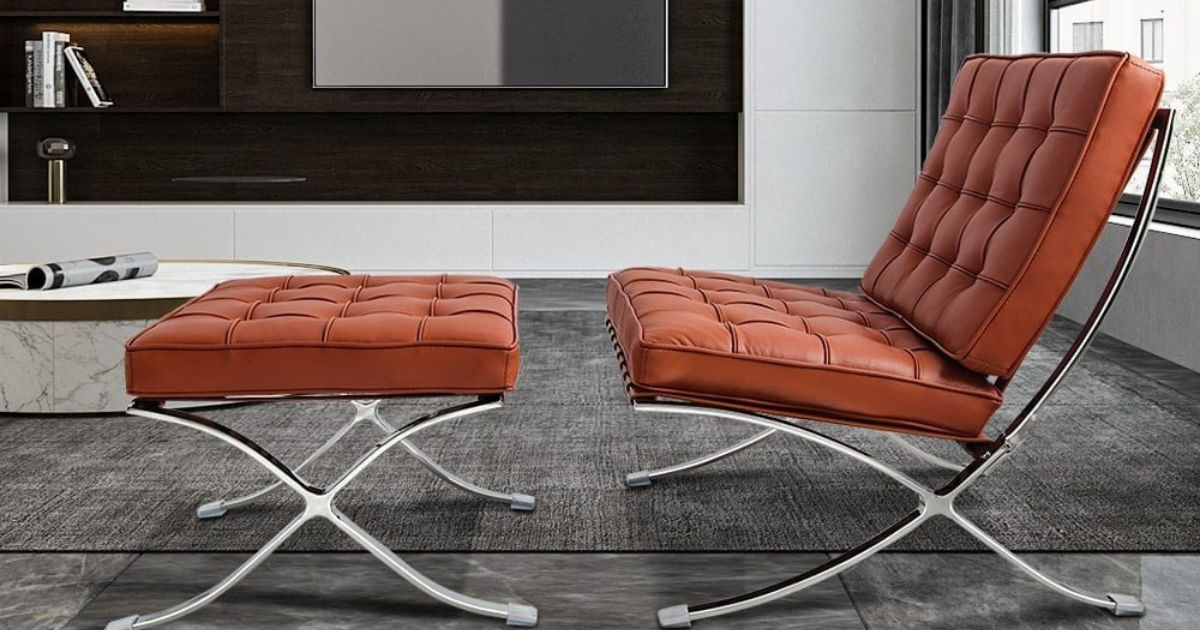
However, not all Eames chairs are created equal. Understanding the comfort levels, materials, and designs is crucial if you want to make a choice that suits your body type, work habits, and aesthetic preferences.
This guide will explore the comfort aspects of different Eames office chair models, helping you make an informed decision.
Understanding the Eames Office Chair
Before diving into a comfort comparison, it’s important to know what sets an eames office chair apart from other office chairs. Unlike standard chairs that focus solely on support or appearance, Eames chairs are built with both ergonomics and modern design in mind. Key features include:
-
Curved back support that naturally follows the spine’s shape.
-
Tilt and swivel mechanisms for flexibility during work.
-
Premium materials such as leather, molded plywood, and aluminum frames.
-
Variety of styles including low-back, high-back, and executive options.
These features ensure that an Eames office chair is more than just visually appealing—it’s designed for long-term use without compromising comfort.
Types of Eames Office Chairs
There are several variations of the Eames office chair, each catering to different comfort needs:
Eames Aluminum Group Chair
The Aluminum Group chairs are classic, featuring a sleek aluminum frame and leather seating. Comfort-wise, they provide moderate cushioning, making them suitable for people who prefer firm support. The tilt mechanism allows slight recline, reducing back strain over long hours.
Eames Executive Chair
The executive version of the eames office chair offers thick padding and full back support. This model is ideal for users who spend extended periods at their desks. The combination of plush leather and ergonomic contouring ensures maximum comfort.
Eames Soft Pad Chair
Soft Pad chairs take comfort a step further. They include extra cushioning on both the seat and backrest, providing superior comfort. The padded sections help distribute body weight evenly, preventing pressure points.
Eames Management Chair
This chair combines elements of the executive and soft pad designs. With high-back support, adjustable tilt, and thicker padding, it is perfect for managerial roles or for anyone looking for long-term seating comfort.
Key Factors Affecting Comfort
While the design of the eames office chair is inherently ergonomic, comfort is influenced by several factors. Understanding these can help you choose the right model for your needs.
Material Quality
The materials used in an Eames chair directly impact comfort. Leather provides a luxurious feel and adapts to body heat, while molded plywood offers firm support. High-quality leather tends to soften over time, making the chair even more comfortable.
Seat Cushioning
Cushioning is vital for long hours of sitting. A chair with minimal padding might feel stylish but can lead to discomfort. Soft Pad models excel in this area, as their layered padding supports both the seat and back without sinking too much.
Ergonomics
Eames office chairs are designed with ergonomics in mind, but specific ergonomic features vary by model. Chairs with tilt mechanisms, lumbar support, and adjustable armrests improve posture and reduce fatigue. High-back chairs are particularly beneficial for upper back and neck support.
Adjustability
Adjustability is another comfort factor. Being able to change seat height, tilt angle, and armrest position allows the chair to accommodate different body types and work styles. Executive and management models typically offer more adjustability compared to Aluminum Group versions.
Seat Dimensions
The size of the seat and backrest matters. A chair that is too narrow can cause discomfort, while an excessively large chair may not provide adequate support. Consider your body size and the amount of space you need for comfortable movement.
Comparing Comfort Across Eames Office Chair Models
Now, let’s break down how different models of the eames office chair compare in terms of comfort.
Aluminum Group vs. Soft Pad Chair
-
Aluminum Group Chair: Provides a firm seating experience. Its tilt mechanism allows some recline but lacks the plush cushioning of other models. Ideal for people who prefer firm support or have shorter sitting periods.
-
Soft Pad Chair: Offers maximum comfort with thick padding. Suitable for long hours of sitting and for users who prefer a softer feel.
Executive vs. Management Chair
-
Executive Chair: High back support, plush leather, and moderate adjustability make it highly comfortable for office work. Its design supports prolonged sitting without fatigue.
-
Management Chair: Slightly more adjustable and supportive than the executive chair. It combines plush comfort with ergonomic precision, making it suitable for intensive office use or managerial tasks.
Low-back vs. High-back Designs
Low-back Eames office chairs are lighter and allow greater freedom of movement. They are ideal for users who do not require extensive upper back support. High-back models, however, offer complete back and neck support, which is critical for preventing strain during long sitting periods.
Tips for Enhancing Comfort in Your Eames Office Chair
Even the best-designed chairs can benefit from small adjustments to improve comfort. Here are some tips:
Proper Height Adjustment
Ensure your chair height allows your feet to rest flat on the floor. Knees should form a 90-degree angle to reduce pressure on the lower back.
Armrest Positioning
Adjust armrests so your shoulders are relaxed. Proper arm support reduces upper body strain.
Lumbar Support
If your chair lacks built-in lumbar support, consider using a small cushion or lumbar pillow. Proper lower back support is crucial for maintaining good posture.
Tilt Adjustment
Experiment with the tilt feature. Slight recline reduces spinal pressure and promotes better circulation. Avoid sitting fully upright for long periods.
Seat Padding Maintenance
Leather and padded chairs may compress over time. Rotate or adjust cushions if possible, and keep leather conditioned to prevent stiffness.
Long-Term Comfort Considerations
When evaluating an eames office chair, long-term comfort is just as important as immediate comfort. Consider these factors:
Durability of Materials
High-quality leather, aluminum, and molded plywood last longer and maintain comfort over years. Cheaper alternatives may sag, reducing ergonomic support.
Weight Capacity
Choose a chair that matches your weight requirements. Chairs with higher weight capacity maintain structural integrity and comfort over time.
Frequency of Use
Consider how many hours per day you will sit in the chair. Heavy use requires chairs with superior padding and ergonomic design. Soft Pad and Management models are ideal for high-frequency use.
Maintenance
Leather and aluminum chairs need regular cleaning and care. Proper maintenance ensures the chair remains comfortable and visually appealing for years.
Common Comfort Issues and Solutions
Even premium chairs like the Eames can present comfort challenges. Here are some common issues and solutions:
Back Pain
If you experience back pain, ensure the chair is adjusted properly for your height and posture. High-back chairs with tilt mechanisms often alleviate discomfort.
Pressure Points
Too-firm padding can cause pressure on hips or thighs. Adding a thin cushion or choosing a Soft Pad version can help distribute weight evenly.
Arm and Shoulder Strain
Improper armrest height may cause tension in shoulders. Adjust armrests to match desk height or add an ergonomic support pad.
Heat and Sweat
Leather chairs may become warm during long sessions. Consider a breathable chair cover or a chair with ventilated design.
The Aesthetic-Comfort Balance
One reason the eames office chair is so popular is its aesthetic appeal. However, style should not compromise comfort. Some design-forward models may look sleek but offer less padding or support. When choosing a chair, consider both the visual appeal and ergonomic benefits.
Matching Chair to Workspace
Eames chairs are versatile enough to fit into modern, traditional, or minimalist office settings. Consider color, material, and form alongside comfort to create a workspace that is both stylish and supportive.
Complementing Other Ergonomic Accessories
Pairing your Eames office chair with a supportive desk, footrest, or ergonomic keyboard can enhance overall comfort. A well-designed workspace promotes better posture and reduces fatigue.
User Reviews and Feedback
Many users of Eames office chairs report high satisfaction levels, especially regarding long-term comfort and durability. Common praise includes:
-
Excellent lumbar and back support.
-
High-quality leather that softens over time.
-
Tilt and swivel features that allow dynamic seating.
Some users note minor discomfort with the Aluminum Group chairs due to firmer seating. However, the Soft Pad and Executive chairs consistently receive top marks for comfort during extended use.
Conclusion
Choosing the right eames office chair comes down to balancing comfort, design, and functionality. For those who prefer firm support, the Aluminum Group model is ideal. Users who require plush padding and extended comfort should consider Soft Pad, Executive, or Management models.
Factors such as material quality, adjustability, ergonomic features, and seat dimensions are critical in determining comfort levels. Proper maintenance and small adjustments, like correct height and armrest positioning, can enhance the experience further.
Ultimately, an Eames office chair is more than a seating solution—it’s a long-term investment in your posture, comfort, and workspace style. By understanding the differences between models and how each supports your body, you can select a chair that is both stylish and supremely comfortable.
Whether you are setting up a home office or designing a professional workspace, the eames office chair remains a benchmark for combining design excellence with ergonomic comfort.

 quadro_bike