
 AsimAli
Packing machines play a major role in protecting the food we eat every day. From the moment food is processed to the time it reaches store shelves, Packing machines help reduce contamination, preserve freshness, and extend shelf life.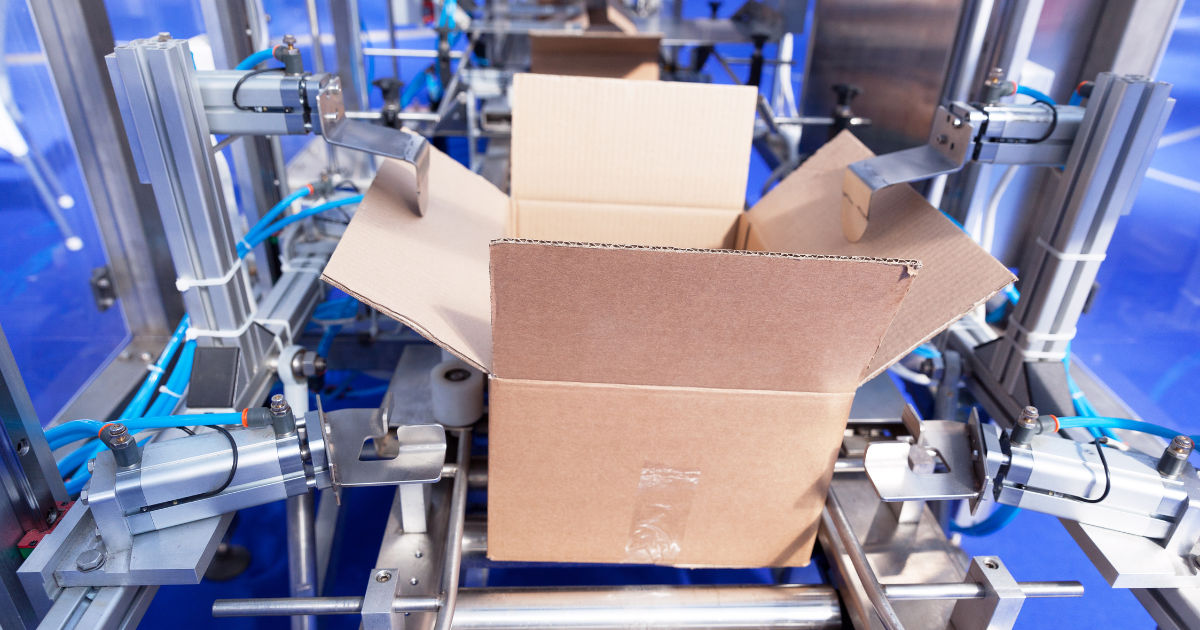 In modern food industries, Packing machines are not just equipment—they are a complete safety system that ensures food remains clean, sealed, and safe for consumers.
This guide explains in detail how food safety is maintained through packaging technology, why it matters, and how different systems work together to protect food products.
Why Food Safety Matters in the Food Industry
Food safety is one of the most important concerns in the global food supply chain. Even small mistakes during handling or packaging can lead to contamination, spoilage, or foodborne diseases.
Every year, millions of people get sick due to unsafe food handling. This is why industries rely heavily on Packing machines to reduce human contact and improve hygiene.
Food can become unsafe due to:
- Bacteria like Salmonella or E. coli
- Air exposure causing oxidation
- Improper handling during transport
- Moisture and humidity changes
- Cross-contamination from workers or surfaces
By using Packing machines, companies significantly reduce these risks and ensure safer products for consumers.
The Role of Packing Machines in Modern Food Safety
Modern food production is fast, large-scale, and highly automated. In this environment, Packing machines act as a protective barrier between food and external contaminants.
Their main roles include:
- Sealing food in airtight packaging
- Reducing direct human contact
- Controlling exposure to air and moisture
- Maintaining hygiene standards during packaging
- Supporting fast and efficient production lines
Without Packing machines, it would be almost impossible to maintain consistent food safety standards in large industries.
How Packing Machines Prevent Contamination
One of the biggest advantages of Packing machines is contamination control. Contamination can occur at any stage, but packaging is one of the most critical points.
Reducing Human Contact
Human hands are one of the most common sources of contamination. Even with gloves, risks remain. Packing machines reduce or eliminate the need for manual handling.
This helps:
- Prevent bacterial transfer
- Reduce accidental contact with dirty surfaces
- Maintain consistent hygiene standards
Controlled Environment Packaging
Many Packing machines operate in controlled environments where air, dust, and microbes are filtered. This ensures food is packed in a clean and safe space.
Sealed Protection
Once food is packed, machines create tight seals that prevent external elements from entering. This sealing process is crucial in keeping food safe for longer periods.
Sealing Technology and Its Importance in Food Safety
Sealing is one of the most important functions of Packing machines. A proper seal ensures that food remains untouched by air, moisture, and microorganisms.
Types of Sealing Methods
Different Packing machines use different sealing techniques:
- Heat sealing
- Vacuum sealing
- Ultrasonic sealing
- Induction sealing
Each method serves a specific purpose depending on the type of food.
Why Sealing Matters
Good sealing helps:
- Prevent spoilage
- Stop bacterial growth
- Maintain freshness
- Avoid leakage or contamination
Without effective sealing, even high-quality food can quickly become unsafe.
Vacuum and Modified Atmosphere Packaging
Advanced Packing machines use technologies like vacuum packaging and modified atmosphere packaging (MAP) to improve food safety.
Vacuum Packaging
In vacuum packaging, air is removed from the package before sealing. This slows down bacterial growth and oxidation.
Benefits include:
- Longer shelf life
- Reduced spoilage
- Better flavor preservation
Modified Atmosphere Packaging
MAP replaces oxygen with gases like nitrogen or carbon dioxide. This helps control microbial growth and maintain food quality.
Packing machines that use MAP are commonly used for:
- Fresh meat
- Fruits and vegetables
- Bakery products
Hygiene and Automation in Packing Machines
Hygiene is a top priority in food production. Packing machines are designed to meet strict hygiene standards.
Stainless Steel Construction
Most Packing machines are made of stainless steel, which is easy to clean and resistant to corrosion.
Automated Cleaning Systems
Modern machines include automatic cleaning features that reduce manual effort and ensure consistent sanitation.
Reduced Human Error
Automation in Packing machines reduces mistakes caused by human handling, making the process more reliable and safe.
Temperature Control and Food Preservation
Temperature plays a critical role in food safety. Many Packing machines are designed to work alongside cooling or heating systems.
Cold Chain Integration
Some foods must stay cold during packaging. Packing machines are integrated with refrigeration systems to maintain safe temperatures.
Heat Sealing at Controlled Temperatures
Heat sealing must be precise. If temperatures are too high or too low, packaging may fail, leading to contamination risks.
Importance of Stability
Stable temperature control ensures:
- No bacterial growth
- Proper sealing strength
- Longer shelf life
Traceability and Quality Control
Modern food safety systems rely on traceability. Packing machines often include labeling and coding systems that track each product.
Batch Tracking
Each package can be traced back to its production batch. This helps identify issues quickly if contamination occurs.
Expiry Date Printing
Packing machines print expiry dates and production details directly on packaging, helping consumers use food safely.
Quality Inspection
Some machines include sensors that check:
- Seal strength
- Package integrity
- Weight accuracy
This ensures only safe products reach the market.
Types of Packing Machines Used in Food Industry
Different foods require different packaging methods. Packing machines come in various types depending on the product.
Vertical Form Fill Seal Machines
These machines are used for snacks, grains, and powders. They form, fill, and seal packages in one process.
Horizontal Flow Wrapping Machines
Used for bakery items, chocolates, and candies. These Packing machines wrap products quickly and securely.
Vacuum Packing Machines
Commonly used for meat, cheese, and seafood to extend shelf life.
Bottle and Liquid Filling Machines
Used for juices, sauces, and beverages. They ensure accurate filling and sealing.
Each type of Packing machines plays a specific role in food safety and preservation.
Benefits of Packing Machines in Food Safety
The use of Packing machines provides many advantages for both manufacturers and consumers.
Improved Hygiene
Reduced human contact ensures cleaner and safer food.
Longer Shelf Life
Proper sealing and packaging extend product freshness.
Cost Efficiency
Automation reduces labor costs and food waste.
Consistency
Every package is sealed and filled with the same quality standards.
Faster Production
Packing machines allow high-speed packaging without compromising safety.
Challenges in Packaging and Food Safety
Even though Packing machines are highly effective, there are still challenges.
Equipment Maintenance
Machines require regular maintenance to function properly.
High Initial Cost
Advanced Packing machines can be expensive for small businesses.
Technical Skills Required
Operators must be trained to handle machines correctly.
Packaging Material Issues
Poor-quality packaging materials can reduce safety benefits.
Despite these challenges, the benefits of Packing machines outweigh the drawbacks.
The Future of Packing Machines in Food Safety
Technology is rapidly improving, and Packing machines are becoming smarter and more efficient.
Smart Automation
Future machines will use AI to detect packaging defects automatically.
Eco-Friendly Packaging
New systems will focus on reducing plastic waste and using biodegradable materials.
IoT Integration
Internet-connected Packing machines will allow real-time monitoring and control.
Improved Safety Sensors
Advanced sensors will detect contamination risks instantly.
The future of food safety will depend heavily on innovation in Packing machines technology.
Conclusion
Food safety is a critical part of modern life, and Packing machines are at the heart of this system. They protect food from contamination, extend shelf life, and ensure hygiene at every stage of production. From sealing and vacuum packaging to automated hygiene systems and smart tracking, Packing machines have transformed how the food industry operates.
As technology continues to improve, these machines will become even more advanced, helping industries deliver safer and higher-quality food to consumers around the world. Understanding their importance helps us appreciate the invisible systems that keep our food safe every day.

 ahead_time