
 AsimAli
When it comes to maintaining a safe, durable, and visually appealing home, Residential Roofing in Wilmington NC is one of the most critical aspects homeowners must consider.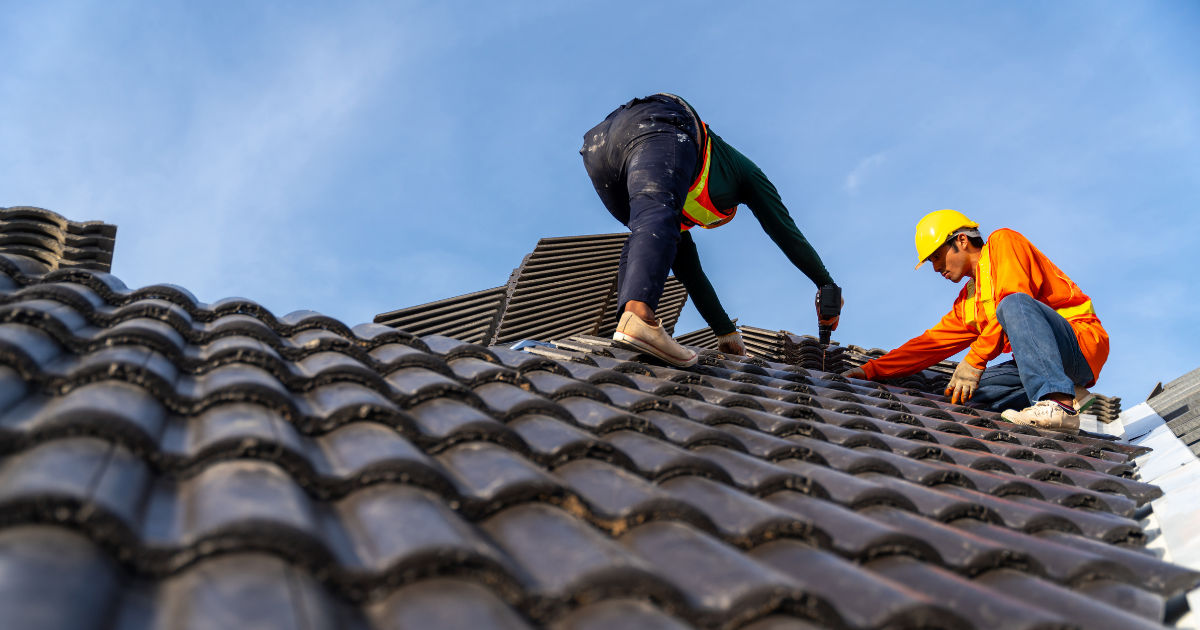
The roof is the first line of defense against weather elements, and choosing the right roofing solution can significantly affect the longevity of your home, energy efficiency, and overall property value.
Wilmington, NC, with its humid subtropical climate, poses unique challenges and opportunities for homeowners looking to invest in high-quality residential roofing.
This comprehensive guide will explore everything you need to know about residential roofing in Wilmington NC.
From understanding the local climate and roofing materials to hiring professionals and maintaining your roof, this guide ensures homeowners make informed decisions for long-lasting protection and aesthetic appeal.
Residential Roofing in Wilmington NC
Residential roofing refers to the system of materials and structures that cover and protect a house. It includes the roof deck, underlayment, shingles or tiles, flashing, ventilation, and drainage systems. In Wilmington, NC, residential roofing takes on particular importance due to the region's exposure to heavy rains, strong winds, and occasional hurricanes. Proper roofing design and material selection are essential for protecting your home from water damage, mold, and structural issues.
Homeowners in Wilmington face unique challenges like high humidity, salty air near coastal areas, and intense sun exposure during summer months. All these factors can accelerate wear and tear, making regular maintenance and quality materials critical. Residential Roofing in Wilmington NC must balance durability, aesthetics, and cost-efficiency to ensure long-term satisfaction.
Common Roofing Materials for Wilmington Homes
Choosing the right roofing material is crucial for both protection and curb appeal. Here’s a detailed look at the most popular options for residential roofing in Wilmington, NC:
Asphalt Shingles
Asphalt shingles are among the most widely used roofing materials in the United States. They are affordable, easy to install, and come in a variety of colors and styles. In Wilmington, asphalt shingles perform well under most weather conditions, though they may require replacement every 20 to 30 years depending on maintenance.
Advantages:
-
Cost-effective
-
Easy to repair
-
Wide range of styles and colors
Disadvantages:
-
Shorter lifespan compared to metal or tile roofs
-
Can be damaged by high winds or heavy hail
Metal Roofing
Metal roofing is becoming increasingly popular in Wilmington for its durability and resistance to extreme weather. It can last 40-70 years and reflects heat, improving energy efficiency. Metal roofs also withstand strong winds, making them ideal for hurricane-prone areas.
Advantages:
-
Long-lasting
-
Energy-efficient
-
Resistant to fire, wind, and hail
Disadvantages:
-
Higher initial cost
-
Noise during rain or hail without proper insulation
Tile Roofing
Clay and concrete tiles are favored for their beauty and durability. Tile roofing provides excellent protection against harsh weather, and its lifespan can exceed 50 years. However, tile is heavy and may require additional structural support.
Advantages:
-
Extremely durable
-
Attractive aesthetic
-
Low maintenance
Disadvantages:
-
Expensive installation
-
Heavyweight may require roof reinforcement
Wood Shingles and Shakes
Wood shingles or shakes offer a natural and rustic appearance, appealing to many homeowners in Wilmington. However, they require more maintenance and are susceptible to rot, mold, and fire. Treated wood can improve longevity, but regular inspections are essential.
Advantages:
-
Unique aesthetic
-
Environmentally friendly
Disadvantages:
-
Prone to decay
-
Requires frequent maintenance
Roof Styles Common in Wilmington
The architectural style of a home influences the type of roofing that will be most suitable. Wilmington features a variety of home styles, including colonial, coastal, and contemporary designs. Some popular roof styles include:
Gable Roofs
Gable roofs have two sloping sides that meet at a ridge. They are popular in Wilmington due to their simplicity and effectiveness at shedding water and snow. Proper ventilation is essential to prevent moisture buildup in the attic.
Hip Roofs
Hip roofs slope on all four sides, providing superior stability during strong winds. This makes them an excellent choice for Wilmington, where hurricanes are a concern.
Flat and Low-Slope Roofs
Flat or low-slope roofs are more common on modern homes. They require proper drainage systems to prevent water pooling and leaks.
Gambrel and Mansard Roofs
Less common but visually striking, these styles offer extra living space in attics or upper floors. They require careful material selection to ensure durability in Wilmington’s climate.
Importance of Professional Installation
Proper installation is critical to the lifespan and performance of any roofing system. A poorly installed roof can lead to leaks, structural damage, and decreased energy efficiency. Homeowners should seek licensed and experienced roofing contractors who understand local building codes and environmental challenges.
Professional installers ensure:
-
Correct underlayment and ventilation
-
Proper flashing to prevent leaks
-
Secure attachment of shingles or tiles
-
Compliance with local regulations
Hiring a professional also often comes with warranties, offering homeowners peace of mind in case of future issues.
Roof Maintenance Tips for Wilmington Homes
Even the most durable roofs require regular maintenance. Proper upkeep can prevent costly repairs and extend the life of your roof. Key maintenance tips include:
Regular Inspections
Schedule roof inspections at least twice a year, especially after storms. Look for damaged shingles, leaks, or signs of wear and tear. Early detection can save significant costs.
Cleaning Gutters
Clogged gutters can cause water backup and roof damage. Regularly clean gutters to ensure proper drainage.
Addressing Leaks Promptly
Small leaks can escalate into major structural problems if left untreated. Hire professionals to repair leaks immediately.
Trimming Overhanging Branches
Tree branches can damage shingles during storms or drop debris that clogs gutters. Keep trees trimmed away from the roof.
Mold and Algae Prevention
High humidity in Wilmington can promote mold or algae growth. Use approved treatments to protect your roof and maintain its appearance.
Energy Efficiency and Roof Upgrades
Modern roofing materials can significantly improve a home’s energy efficiency. Light-colored shingles, reflective coatings, and metal roofs can reduce heat absorption, lowering cooling costs. Additionally, adding proper insulation and ventilation enhances energy efficiency, reduces humidity in attics, and extends the life of roofing materials.
Homeowners interested in sustainable options may also consider solar panel integration. A well-installed roof can support solar energy systems without compromising durability.
Cost Considerations for Residential Roofing in Wilmington NC
The cost of residential roofing varies based on materials, roof size, complexity, and labor. Here’s a rough estimate for Wilmington homes:
-
Asphalt shingles: $4,000–$12,000
-
Metal roofing: $10,000–$25,000
-
Tile roofing: $15,000–$40,000
-
Wood shingles: $8,000–$20,000
While cost is a factor, homeowners should consider long-term value. Cheaper options may save money upfront but could require frequent repairs or early replacement. High-quality materials and professional installation often result in lower overall costs over time.
Signs You Need Roof Replacement
Knowing when to replace your roof is crucial. Common signs include:
-
Missing, cracked, or curling shingles
-
Leaks or water stains on ceilings
-
Sagging roof structure
-
Excessive granules in gutters from shingles
-
Aging roof nearing the end of its lifespan
Ignoring these signs can lead to more severe damage, including mold growth, structural weakening, and increased energy bills.
Choosing the Right Roofing Contractor
Selecting a reliable roofing contractor in Wilmington is essential. Here are key factors to consider:
Licensing and Insurance
Ensure the contractor is fully licensed and insured to protect against liability and ensure compliance with local codes.
References and Reviews
Check online reviews and request references from previous clients to gauge work quality and reliability.
Warranties
A reputable contractor should provide warranties covering materials and labor.
Transparent Pricing
Get detailed estimates and avoid contractors who offer vague or unusually low quotes.
Preparing Your Home for Roof Replacement
Before roofing work begins, homeowners should take precautions to protect their property:
-
Remove vehicles from driveways to prevent debris damage
-
Cover outdoor furniture and plants
-
Plan for temporary relocation if necessary during extensive projects
-
Communicate with the contractor about project timelines and expectations
The Role of Roofing in Home Value
A new or well-maintained roof significantly impacts curb appeal and home resale value. Potential buyers often assess the roof’s condition when making purchase decisions. Investing in high-quality residential roofing in Wilmington, NC, can enhance property value, reduce future maintenance costs, and attract buyers more quickly.
Conclusion
Residential roofing in Wilmington NC is more than just a protective covering; it is a critical investment in the safety, efficiency, and beauty of your home. With Wilmington’s unique climate and weather patterns, selecting the right materials, roof style, and professional contractor is essential for long-term performance. From asphalt shingles to metal and tile roofing, each option has its benefits and considerations. Regular maintenance, prompt repairs, and energy-efficient upgrades can further extend the life of your roof and maximize the value of your home.
By understanding the importance of high-quality residential roofing in Wilmington NC, homeowners can make informed decisions, protect their investment, and enjoy a safe, comfortable living environment for decades to come. A roof may be overhead, but its impact reaches every aspect of home life—from energy bills and aesthetics to structural integrity and peace of mind.

 ahead_time