
 AsimAli
In today’s fast-paced world, educational institutions are increasingly turning to technology to improve learning outcomes. One of the most promising tools in this revolution is ai agents for education.
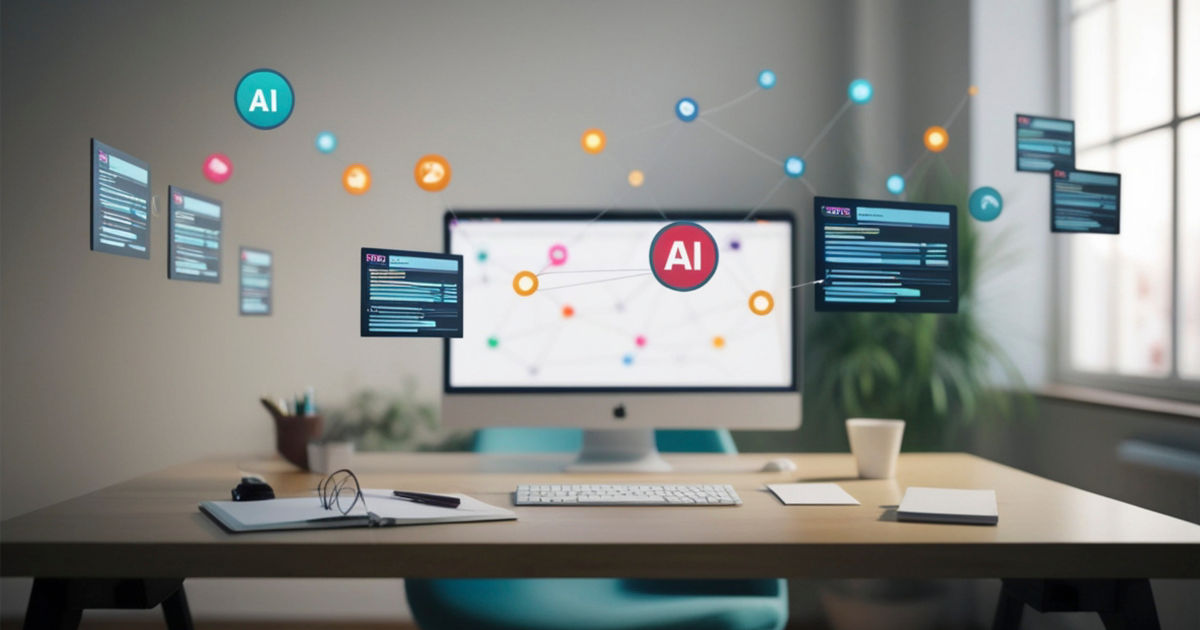
These intelligent systems not only support students in their learning journey but also provide educators with powerful analytics to understand and enhance teaching strategies.
By integrating AI into the classroom, schools and universities can monitor performance, predict challenges, and personalize learning in ways that were previously impossible.
This comprehensive guide explores how ai agents for education enhance analytics, the benefits for students and teachers, and practical applications for improving educational outcomes.
AI Agents in Education
Before diving into analytics, it’s essential to understand what AI agents are. AI agents are computer programs designed to perform tasks autonomously using artificial intelligence. In education, these agents can take many forms, including virtual tutors, intelligent chatbots, learning management assistants, and data analysis tools.
AI agents are capable of:
-
Interpreting large datasets to extract insights.
-
Interacting with students in real-time to provide guidance.
-
Adapting learning material based on student progress.
-
Generating reports for educators about performance trends.
By leveraging these capabilities, schools can make data-driven decisions that enhance both teaching and learning experiences.
The Role of Analytics in Education
Analytics in education refers to the collection, measurement, and analysis of data to improve teaching and learning outcomes. Traditional analytics relied heavily on manual assessments and limited data points, which made it difficult to gain a comprehensive understanding of student performance.
With AI, analytics becomes more dynamic and precise. AI agents for education can track multiple aspects of student behavior, such as:
-
Assignment completion times.
-
Participation in discussions.
-
Engagement with learning materials.
-
Performance on assessments and quizzes.
By aggregating this data, AI agents provide actionable insights, allowing educators to understand not just how students perform, but why they perform the way they do.
How AI Agents Improve Learning Analytics
Real-Time Data Collection
One of the most significant advantages of AI agents is their ability to collect data in real-time. Unlike traditional methods, which rely on periodic tests and surveys, AI agents continuously monitor student interactions.
For example, an AI-powered learning platform can track how long a student spends on a specific topic, which questions they answer correctly, and where they struggle. This data allows educators to identify patterns immediately and provide timely interventions.
Personalized Learning Paths
AI agents for education can create personalized learning experiences by analyzing individual student data. By understanding a student’s strengths and weaknesses, AI can recommend resources, exercises, and assessments tailored to their needs.
For instance, if a student struggles with algebra but excels in geometry, an AI agent can adjust lesson plans to focus on algebraic concepts without slowing down the student’s progress in geometry. This personalized approach is made possible because AI agents continuously analyze data and adapt learning paths dynamically.
Predictive Analytics
Predictive analytics is another area where AI agents make a significant impact. By analyzing historical data and learning patterns, AI can forecast potential challenges a student might face.
For example, if a student consistently scores lower in math quizzes than peers with similar learning habits, the AI agent can alert teachers about the risk of falling behind. This predictive capability allows educators to intervene early, offering targeted support before problems escalate.
Improving Engagement Metrics
Engagement is a critical factor in student success. AI agents for education help measure engagement through a variety of metrics, including:
-
Frequency of platform logins.
-
Participation in interactive lessons.
-
Responses to quizzes and assignments.
-
Time spent on learning resources.
By analyzing these metrics, educators can adjust teaching methods, introduce gamified learning experiences, or provide additional resources to boost engagement.
Enhancing Teacher Efficiency
AI agents do not replace teachers but empower them with valuable insights. By automating data collection and initial analysis, AI agents free educators from tedious administrative tasks. This allows teachers to focus on teaching, mentoring, and providing personalized support.
For example, AI agents can automatically grade multiple-choice quizzes, generate performance reports, and even highlight students who might need extra help. Teachers can then use these insights to tailor lesson plans and group activities more effectively.
Applications of AI Agents in Education Analytics
Intelligent Tutoring Systems
Intelligent tutoring systems are AI-driven platforms that guide students through learning content, adapting to their progress in real-time. These systems collect detailed data on student performance, which is invaluable for analytics. Educators can use this data to:
-
Identify common misconceptions.
-
Adjust curriculum pacing.
-
Offer targeted support to individual students.
Learning Management Systems (LMS) Integration
Modern LMS platforms integrate AI agents to provide advanced analytics. These agents analyze student interactions with the LMS, such as content accessed, time spent on lessons, and participation in discussion forums. This integration enables educators to visualize student engagement and performance trends comprehensively.
Chatbots and Virtual Assistants
AI-powered chatbots serve as first-line support for students. They answer common questions, guide students through learning materials, and collect data on frequently asked topics or areas of confusion. This information is then analyzed to improve course content and teaching strategies.
Assessment Analytics
Traditional assessments provide limited insight into student understanding. AI agents can enhance assessment analytics by analyzing not just final scores but patterns within responses. For instance, AI can identify which types of questions a student consistently struggles with, providing a more nuanced view of their learning needs.
Adaptive Learning Platforms
Adaptive learning platforms use AI agents to adjust the difficulty of lessons and exercises based on real-time student performance. Analytics from these platforms help educators identify:
-
Areas where students need reinforcement.
-
Which teaching methods are most effective.
-
How to optimize learning sequences for different skill levels.
Data Privacy and Ethical Considerations
While the benefits of AI agents for education analytics are substantial, they come with responsibilities. Student data is highly sensitive, and ethical considerations must guide AI deployment. Institutions should ensure:
-
Compliance with data protection regulations like GDPR or FERPA.
-
Transparency about what data is collected and how it is used.
-
Security measures to protect against data breaches.
-
Ethical use of predictive analytics to support, not stigmatize, students.
Maintaining trust is critical for the successful adoption of AI in education.
Case Studies of AI Agents in Education Analytics
University Implementation
Several universities worldwide have integrated AI agents to monitor student performance. For example, a university implemented an AI-based analytics system to track student engagement in online courses. The AI agent identified students at risk of dropping out and alerted advisors. As a result, the university reported a 15% reduction in attrition rates over one academic year.
K-12 School Systems
In K-12 education, AI agents have been used to personalize learning for diverse classrooms. A school district deployed AI tutoring systems that adapted lessons for students with varying abilities. Analytics provided by AI agents allowed teachers to focus on students who required extra support, leading to measurable improvements in test scores and engagement.
EdTech Platforms
EdTech companies offering AI-powered learning apps have leveraged analytics to improve content delivery. AI agents track usage patterns, identify difficult topics, and suggest enhancements. This feedback loop helps platforms continuously refine their educational offerings.
Benefits of AI Agents for Education Analytics
-
Improved Student Performance: By identifying weak areas and personalizing learning, AI agents help students achieve better outcomes.
-
Enhanced Teaching Strategies: Educators gain insights into student behavior and engagement, allowing for more effective lesson planning.
-
Early Intervention: Predictive analytics enables early identification of struggling students, reducing dropout rates.
-
Efficient Resource Allocation: Schools can direct support where it’s needed most, optimizing teacher and administrative efforts.
-
Data-Driven Decision Making: Decisions about curriculum design, resource allocation, and teaching methods are based on reliable analytics.
Challenges and Limitations
While AI agents offer significant advantages, challenges remain:
-
Data Quality: AI insights are only as good as the data collected. Incomplete or biased data can lead to inaccurate conclusions.
-
Integration Complexity: Implementing AI systems within existing educational infrastructure can be complex and costly.
-
Teacher Training: Educators need training to interpret AI analytics effectively.
-
Student Privacy: Managing sensitive student data ethically and securely is paramount.
Overcoming these challenges requires careful planning, transparent policies, and ongoing evaluation.
Future Trends in AI Agents for Education
The field of AI in education is rapidly evolving. Some trends to watch include:
-
Emotion Recognition: AI agents may soon analyze student emotions during learning to tailor content and provide emotional support.
-
Collaborative Learning Analytics: AI will track group interactions to optimize collaborative projects and peer learning.
-
Integration with Virtual and Augmented Reality: AI agents will analyze how students interact in immersive environments, providing deeper insights into learning behaviors.
-
Continuous Professional Development for Educators: AI-driven analytics will help teachers identify areas for professional growth and skill development.
These advancements will make analytics even more central to educational improvement.
Conclusion
AI agents for education are transforming how we collect, analyze, and use data in learning environments. By providing real-time insights, personalized learning experiences, and predictive analytics, these tools empower both students and educators to achieve better outcomes. While challenges such as data privacy, integration, and teacher training exist, the benefits of AI agents far outweigh the risks. As technology continues to advance, AI-driven analytics will become an essential component of modern education, enabling data-driven decisions, improved engagement, and higher academic success.
Educational institutions that embrace AI agents today are likely to see significant long-term gains in learning efficiency, student satisfaction, and overall academic performance. The future of education is intelligent, data-driven, and personalized—and AI agents are at the heart of this transformation.

 ahead_time