
 AsimAli
In today’s fast-paced world, protecting your business is more important than ever. One of the most effective ways to safeguard your assets, employees, and customers is by implementing robust business security camera systems.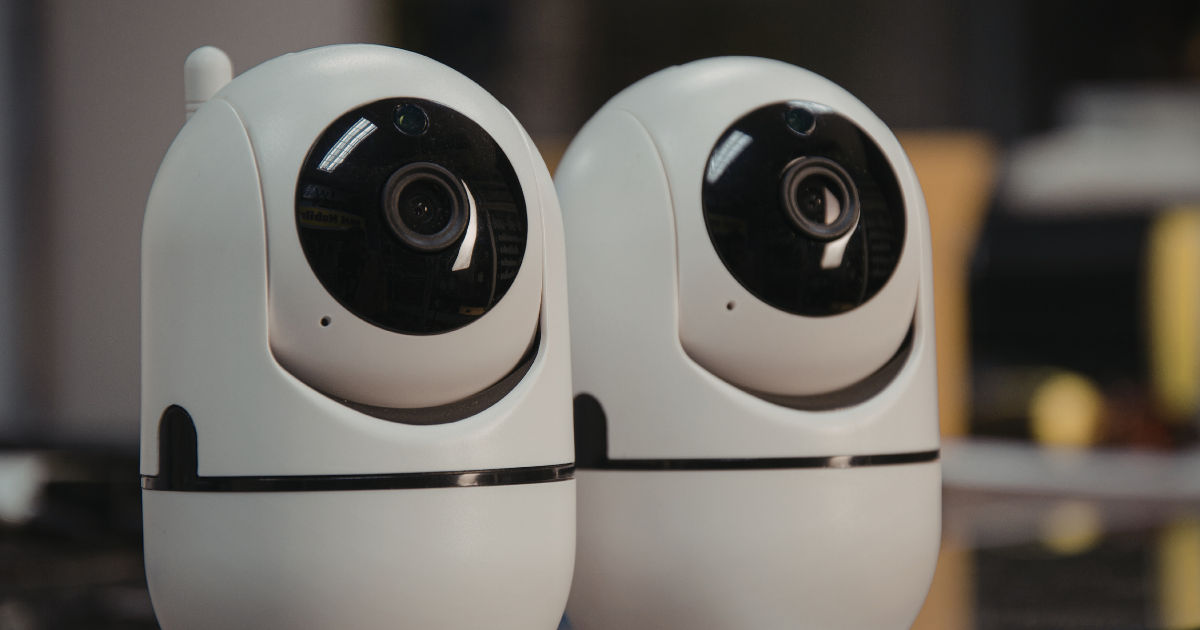
These systems not only help deter crime but also provide critical evidence in case of incidents. However, having cameras alone isn’t enough. Without a proper policy checklist, your business security camera systems may not reach their full potential.
This guide provides a detailed business security camera systems policy checklist to ensure your organization maximizes safety, complies with regulations, and protects privacy. Whether you are a small store owner, a corporate manager, or a Female Quran teacher running online classes from home, understanding the essentials of security camera policies is crucial.
Why You Need a Security Camera Policy
Before diving into the checklist, it’s important to understand why a security camera policy is necessary. A policy ensures that your business security camera systems are used effectively, legally, and ethically.
-
Prevent Misuse: Without rules, cameras can be misused for spying or violating privacy.
-
Legal Compliance: Many regions have strict laws regarding surveillance. A clear policy protects your business from legal issues.
-
Employee Transparency: Employees are more comfortable knowing where cameras are and how footage is used.
-
Evidence Management: A policy ensures footage is stored and handled properly, which is essential for investigations.
Key Components of a Business Security Camera Systems Policy
When creating a security camera policy, there are several key areas to consider. These components ensure that your business security camera systems are efficient, secure, and legally compliant.
1. Camera Placement and Coverage
The first step in creating a policy is deciding where cameras should be installed. Consider areas where security risks are highest, such as:
-
Entrances and exits
-
Cash registers or payment points
-
Warehouses and storage areas
-
Parking lots
-
Hallways and common areas
Checklist for Camera Placement:
-
Ensure cameras cover critical areas without invading private spaces like bathrooms or locker rooms.
-
Avoid blind spots where incidents could occur unnoticed.
-
Consider outdoor weatherproof cameras for entrances and parking lots.
2. Purpose and Scope of Surveillance
A strong policy defines why the cameras are installed and how the footage will be used. Common purposes include:
-
Preventing theft or vandalism
-
Monitoring employee performance
-
Ensuring customer safety
-
Supporting legal investigations
Checklist for Purpose:
-
Clearly state the objectives of surveillance in the policy.
-
Limit camera use to business-related activities only.
-
Avoid excessive monitoring that could create a negative workplace environment.
3. Recording and Storage
Your business security camera systems will generate a large amount of footage, so it’s critical to define recording and storage procedures.
Checklist for Recording and Storage:
-
Determine how long footage should be stored (commonly 30–90 days).
-
Use secure storage methods to prevent tampering.
-
Encrypt sensitive recordings to protect privacy.
-
Specify who has access to stored footage.
4. Access Control
Not everyone in your organization should have access to security footage. Limiting access helps prevent misuse and ensures accountability.
Checklist for Access Control:
-
Create a list of authorized personnel allowed to view or handle footage.
-
Implement passwords and login protocols for digital access.
-
Record all access to footage for auditing purposes.
-
Ensure access rights are regularly reviewed and updated.
5. Privacy Considerations
Balancing security with privacy is crucial. Your policy should respect employee and customer privacy while still protecting your business.
Checklist for Privacy:
-
Avoid placing cameras in private areas such as restrooms, changing rooms, or private offices.
-
Inform employees and customers about the presence of cameras.
-
Comply with local privacy laws and regulations.
6. Signage and Notifications
Transparency is key. Posting clear signs about surveillance protects your business legally and fosters trust.
Checklist for Signage:
-
Place signs at all entrances notifying people that CCTV is in operation.
-
Ensure signs are visible and easy to read.
-
Include information about the purpose of surveillance and contact details for inquiries.
7. Maintenance and Testing
A policy isn’t complete without guidance on maintaining your business security camera systems. Cameras must be functional to be effective.
Checklist for Maintenance:
-
Schedule regular checks to ensure cameras are working properly.
-
Clean lenses and remove obstructions.
-
Update software and firmware regularly.
-
Replace faulty equipment promptly.
8. Incident Response
Your policy should define what happens if an incident occurs. Clear procedures ensure footage is used effectively.
Checklist for Incident Response:
-
Define steps for reviewing footage after an incident.
-
Specify who should be notified in case of security breaches.
-
Outline documentation procedures for legal or insurance purposes.
-
Ensure proper evidence handling to maintain chain of custody.
9. Employee Training
Employees should be trained on the purpose and rules of business security camera systems. Training reduces misunderstandings and promotes compliance.
Checklist for Training:
-
Conduct sessions on how cameras are used and why.
-
Explain employee rights regarding surveillance.
-
Provide guidance on reporting suspicious activity.
-
Review policy updates regularly.
10. Policy Review and Updates
A business security camera policy is not static. It should be reviewed periodically to adapt to new threats, technology, or legal changes.
Checklist for Policy Review:
-
Schedule annual or semi-annual reviews of the policy.
-
Update procedures based on new camera technology or legal requirements.
-
Solicit employee feedback to improve the policy.
-
Ensure the updated policy is communicated clearly to all staff.
Tips for Choosing the Right Business Security Camera Systems
Not all cameras are created equal. Selecting the right system is essential for an effective security strategy.
-
Resolution and Clarity: Choose cameras with high-definition video for clear footage.
-
Night Vision: Ensure cameras can capture footage in low light or darkness.
-
Remote Access: Opt for systems that allow remote monitoring via smartphones or computers.
-
Motion Detection: This feature can save storage space and alert you to suspicious activity.
-
Scalability: Choose systems that can expand as your business grows.
-
Integration: Make sure cameras integrate with alarms, access control, or other security systems.
Common Mistakes to Avoid
Even with the best intentions, businesses often make mistakes with their security camera policies. Avoid these pitfalls:
-
Over-surveillance of employees without justification.
-
Failing to maintain or test cameras regularly.
-
Ignoring privacy laws and employee concerns.
-
Not training staff on policy procedures.
-
Allowing unrestricted access to footage.
By addressing these common mistakes, your business security camera systems will operate efficiently and legally.
How a Female Quran Teacher Can Benefit from Business Security Camera Systems
Even small-scale or home-based operations, such as online classes by a Female Quran teacher, can benefit from proper security camera systems. Cameras can:
-
Protect against intrusions during home-based classes.
-
Monitor access points like doors and hallways.
-
Ensure the safety of students and family members.
-
Provide peace of mind while managing administrative work remotely.
Implementing a clear policy ensures cameras are used responsibly and legally, even in a home setting.
Legal and Ethical Considerations
A security camera policy must respect both legal and ethical standards. Depending on your region, laws may govern:
-
Consent requirements for recording individuals.
-
Retention periods for surveillance footage.
-
Disclosure obligations to employees and visitors.
-
Use of footage in legal proceedings.
By including these considerations in your checklist, your business avoids fines, lawsuits, and reputational damage.
Creating a Customized Policy
Every business is unique, so it’s important to tailor your security camera policy to fit your needs. Steps to create a customized policy:
-
Assess your business layout and security needs.
-
Identify high-risk areas and sensitive zones.
-
Determine who will manage and monitor the systems.
-
Define how footage will be stored, accessed, and used.
-
Create employee and customer guidelines for transparency.
-
Review and update the policy regularly.
A well-crafted policy will strengthen your security, improve accountability, and enhance trust.
Conclusion
Business security camera systems are essential tools for protecting assets, employees, and customers. However, cameras alone are not enough. A comprehensive policy checklist ensures that your surveillance is effective, lawful, and ethical.
From placement and purpose to privacy, maintenance, and incident response, each element of the checklist contributes to a strong security framework. Even home-based businesses or Female Quran teachers can implement these policies to safeguard their operations.
By following this guide, businesses of all sizes can maximize the benefits of security camera systems while minimizing risks and legal exposure. Remember, security is not just about cameras—it’s about policies, procedures, and people working together.
Implementing a clear business security camera systems policy checklist is an investment in your peace of mind, the safety of your staff and clients, and the long-term success of your business.
