
 quadro_bike
If you get bedbugs, you never have to contact a licensed pest manage firm, but you’d be foolish not to, is the take-away message from a warning issued by the Environmental Protection Agency (EPA) final August. “Working with the incorrect pesticide or employing it incorrectly to treat for bedbugs can make you, your loved ones, and your pets sick,” the EPA said in a consumer alert quoted by The Hill Healthwatch on-line. “It can also make your home unsafe to live in – and may perhaps not resolve the bedbug difficulty.”
Alarmed by reports of risky pesticide misuse and intense measures becoming taken by some homeowners and apartment dwellers in do-it-oneself efforts to eradicate bed bugs, the U.S. EPA and Centers for Illness Manage and Prevention (CDC) issued a joint statement last July warning buyers against applying outdoor pesticide products inside their houses in attempts to get rid of bed bugs. Reports from licensed pest control specialists in the field and news media of men and women dousing their beds, their pajamas and even bathing their children in garden insecticides has brought on growing concern among government officials, the healthcare community, public health guardians, and the National Pest Management Association (NPMA). The use of harsh chemicals not approved by the EPA for residential use can result in severe burn-like irritation of the skin and eyes, probable damage to the central nervous method, and may even expose you to carcinogens.
There have also been quite a few news reports of house and apartment fires begun by desperate persons making use of highly flammable liquids to kill bedbugs. In January, a Cincinnati, Ohio man who was wiping down his furniture with a mixture of insecticide and alcohol started a fire in his apartment when his cigarette ignited fumes from the chemical mixture. In July 2008, an Eatontown, New Jersey man blew up his apartment though attempting do-it-your self pest control. A pilot light ignited the chemical spray and fumes causing an explosion that blew out the front windows of the apartment and resulted in a fire that destroyed the man’s apartment and caused critical harm to neighboring units.
“Pest manage firms reported seeing several ineffective and potentially harmful measures employed by do-it-yourselfers, such as ammonia, bleach, fire, smoke, kerosene, wasp spray, and bug bombs, as well as concentrated pesticides bought on the world wide web,” University of Kentucky entomologist and national bedbug professional Michael Potter, writes in Bugs With out Borders, Defining the Worldwide Bed Bug Resurgence, an international survey of pest management companies recently conducted by the University of Kentucky in conjunction with the NPMA. “As bedbug victims become more desperate, really serious injury may outcome from such applications, in particular among these who decide on not to hire a professional,” he warns.
Bedbugs do not normally respond to house treatment. These apple seed-sized insects that feed on human blood are tough to kill, a function of their biology and behavior. At best, do-it-yourself dwelling remedies could force bedbugs to relocate, spreading infestations far more immediately. These insects have a hard, protective carapace that is not very easily penetrated. To kill, pest handle goods will have to come into direct physical contact with the insect and their eggs are unaffected by products at the moment approved by the EPA for residential use. When not feeding, bedbugs hide in inaccessible spaces deep inside minute crevices, inside walls, behind baseboards, beneath floorboards, and inside electronic devices. Bedbugs and their eggs are also very easily transported on clothes and belongings, allowing infestations to speedily spread through a household or apartment constructing. This combination of biology and behavior tends to make it nearly impossible to kill an whole bedbug infestation with a single pest manage treatment. rats spaced two weeks apart are typically essential to effectively exterminate a bedbug infestation and assure that all hidden bugs and newly-hatched eggs have been killed.
Skilled extermination by a licensed pest control company with an expertise in bed bug elimination is the most successful way to exterminate bed bugs. The EPA, on the Bed Bug Facts Page posted on its internet site, states, “Receiving a pest management skilled (PMP) involved as quickly as attainable rather than taking time to try to treat the issue yourself is quite efficient at stopping additional infestations.”
Quick action is essential in battling bed bug infestations. Bed bugs reproduce at an alarming price and infestations can develop speedily. Throughout its six- to 12-month lifespan, a female bed bug can lay 500 eggs with offspring capable of reproducing within a month. It is prevalent to see three or more bed bug generations present in an established infestation. Prompt treatment in the earliest stages of infestation can limit the infestation and prevents it from spreading.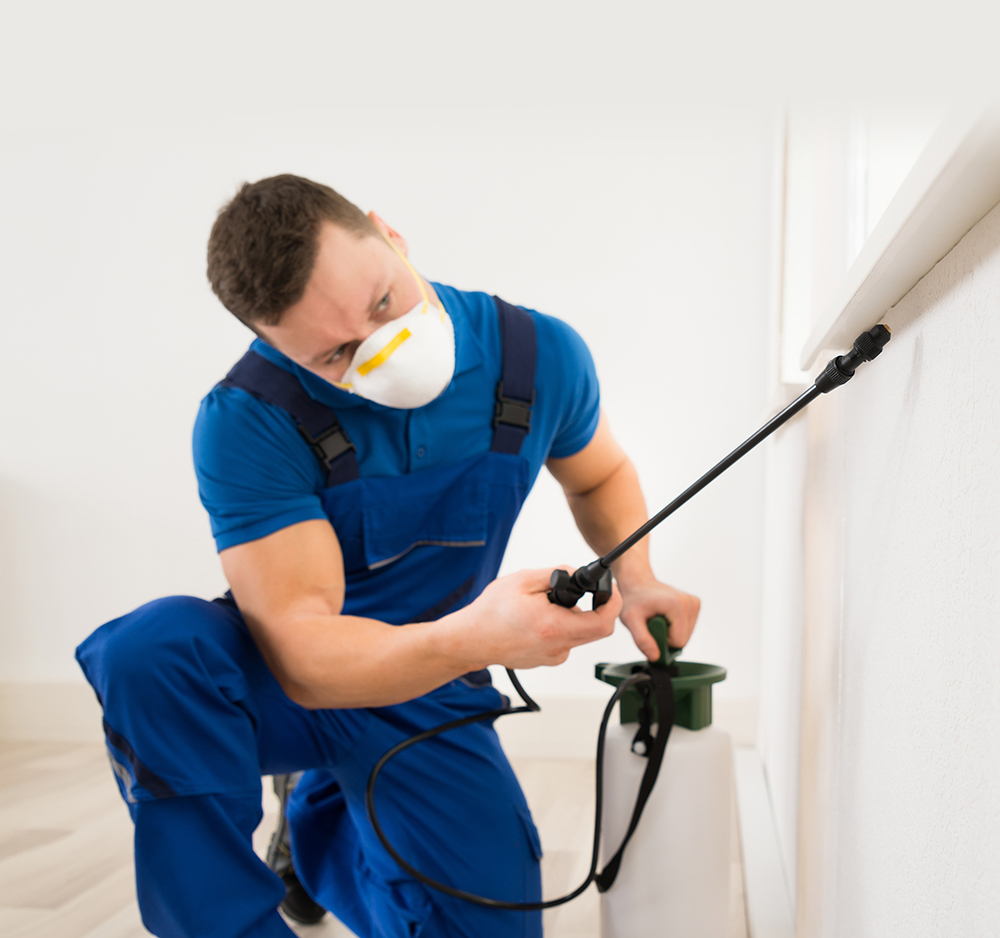
To effectively treat bedbug infestations, licensed pest control experts employ a combination of environmental management procedures, referred to as Integrated Pest Management (IPM), and a selection of pest handle supplies authorized by the EPA for residential use only by licensed pest management specialists. Powerful bedbug extermination begins with meticulous pre-treatment preparation to eliminate clutter, clothing, bed linens and other things that could possibly permit bedbugs to escape exposure to pest control materials. When website preparation is complete, a combination of pest handle supplies is employed to attack bedbugs on many levels.
Issues about wellness and security problems that have arisen from misuse of pest manage chemical substances by unlicensed or improperly trained pest controllers and unqualified contractors attempting to cash in on public fear prompted the EPA to warn buyers to stay away from insect extermination solutions produced with “unrealistic promises of effectiveness or low expense.”
Final July, a Newark, New Jersey pest manage firm was accused of illegal application of chemical compounds not authorized for residential use. When offering bed bug therapies to 70 properties and apartments units, technicians sprayed effective chemicals on mattresses and children’s toys. In Cincinnati, Ohio last June, an unlicensed contractor hired to exterminate bed bugs saturated an apartment complex with an agricultural pesticide, sending seven tenants to the hospital and causing public well being authorities to quarantine the property.

 bilal
bilal